
Go Back

Go Back |
|
Poland Self Catering holiday properties in and around Tatra |

Zakopane. Tatra. Poland From £loading... for 7 nights |


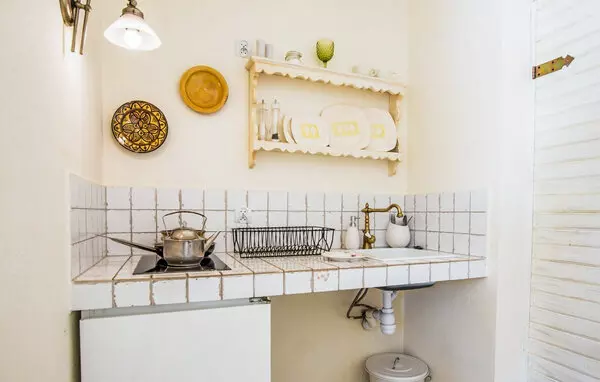


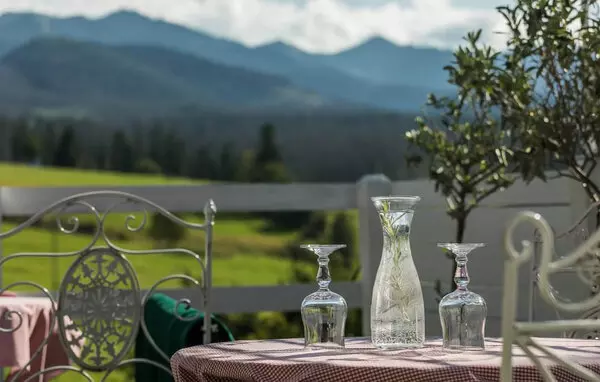


About Zakopane. Enjoy marvellous mountain views from this elegant Zakopane apartment. Stylish furnishings create a warm, inviting atmosphere for instant relaxation. Unwind in the spacious living area or on the open terrace, perfect for fresh air and mountain scenery. Zakopane is a paradise for nature lovers and active holidaymakers. Summer brings hiking trails and mountain tours in Tatra National Park, plus cycling on well-developed routes. Winter transforms the area into a popular sports destination with skiing, tobogganing and snowshoeing. Round off your stay with a stroll through the charming town centre, with its traditional wooden houses and cafes.
Nearby attractions. Tennis court: 9 km
Mini golf: 17 km
Swimming pool: 9 km
Horse hire: 7 km
Bowling: 9.2 km
Water park: 10 km
Activity centre: 10 km
Thermal bath: 9 km
Marked trail (5-10 km): 700 m
Fitness centre: 9 km
Nearest habitation: 10 m
Fishing: 400 m
Shopping: 300 m
River swimming: 400 m
Restaurant: 50 m
Zakopane: 9.9 km
Ski lift: 800 m
Skiing (Hajduk): on site
Public indoor pool: 10 km
About Tatra
By the time I stumbled off that bus, I was already half-convinced that mountain air and I were not going to get along. Then I looked up. The Tatra Mountains in late November do not politely introduce themselves. They announce their presence with jagged peaks already wearing proper snow, grey stone faces catching what little afternoon light remained, and a silence so complete it felt almost rude to break it. The property I had booked sat on the edge of town, one of those traditional Zakopane wooden houses with the distinctive high-pitched roofs and decorative carvings. In summer, I imagine the place looks charmingly rustic, perhaps even quaint. In late autumn, with darkness falling at half past four and the temperature dropping fast, it looked like something from a fairy tale written by someone with a slightly worrying imagination. The steep roof was already holding a respectable layer of snow. Smoke curled from the chimney. I half expected a witch to answer the door. What actually answered was the owner, a practical woman called Basia who took one look at my inadequate city coat and produced a spare fleece without comment. This is something I have noticed about mountain people. They do not waste words stating the obvious. They simply hand you the fleece. The seasonal timing shaped everything about those first hours. In July, I would have dumped my bag and wandered straight out to explore. In late November, the priority was warmth, immediately and without negotiation. The house was heated by a proper wood-burning stove, and Basia showed me how to feed it, explaining that the dry wood was stacked in the shed and that I must never, never use the green logs. I nodded seriously, already feeling the primal satisfaction of responsible fire management. The darkness came on properly while I was still unpacking. Not the gradual dimming of a southern English evening but a sudden, definitive extinguishing of the day. By five o'clock, the mountains had vanished completely. The windows became black mirrors, reflecting the golden interior light. I found myself moving more slowly, more deliberately, adjusting to a rhythm completely alien to my usual urban habits. That first evening, I sat by the stove with a local beer and watched snow begin to fall, proper mountain snow that fell silently and accumulated with alarming efficiency. The seasonal isolation was immediate and complete. No restaurants felt worth the slippery walk. No nightlife beckoned. The town's famous Krupowki Street, bustling in summer with tourists and horse-drawn carriages, was largely shuttered, preparing for the proper winter season still a few weeks away. I had expected to feel restless, perhaps even disappointed by the quiet. Instead, I felt something closer to relief. The mountains and the season had made my decisions for me. There was the fire to tend. There was soup to make from the supplies I had wisely brought. There was the particular pleasure of being warm while the world outside grew colder. I went to bed early, unusually for me, lulled by the stove's diminishing crackle and the absolute silence of snow-covered mountains. Somewhere in the night, I woke briefly to the sound of what I later learned was a proper Tatra wind, the kind that builds over empty peaks and descends with theatrical fury. The wooden house creaked and shifted around me. I burrowed deeper into the duvet, feeling peculiarly safe in my temporary fortress. Morning brought pale, diffuse light and the discovery that my inadequate shoes had frozen solid on the porch where I had left them. I spent twenty minutes thawing them by the revived stove, drinking more tea, watching the mountains reappear gradually through clearing cloud. The peaks looked different in this light, less threatening, more inviting. The snow had transformed overnight, smoothing the rougher edges of the landscape, suggesting possibilities rather than obstacles. That first full day, I walked only as far as the nearby trailhead, following a path through snow-dusted forest that would eventually lead to Dolina Koscieliska. I did not go far. The season demanded respect, and my city legs needed adjustment. But I walked far enough to stand in a clearing where the only sounds were my own breathing and the occasional creak of snow-laden branches. The cold air felt almost medicinal, clearing months of accumulated urban fog from somewhere behind my eyes. Returning to the house, I understood something about why people seek out mountains in the quieter seasons. Summer offers beauty, certainly, but also distraction, the constant possibility of doing something else. Late autumn in the Tatras offers no such escape. The season forces a particular kind of presence, an attention to immediate necessities. Fire. Food. Shelter. The small, essential movements of survival dressed up as comfort. I found myself talking to the stove, offering small encouragements when it caught properly, muttering complaints when it smouldered. I developed opinions about different woods, their burning characteristics, their scents. Basia had left me a basket of dried mushrooms, and I spent an inordinate amount of time rehydrating them, watching the water turn amber, inhaling the concentrated essence of Polish forests. The seasonal isolation also meant conversations with fellow humans became precious rather than obligatory. The couple in the neighbouring property, similarly seeking quiet, became instant companions after a chance meeting at the local shop. We shared a bottle of wine one evening, comparing notes on our various incompetences with mountain living. The husband had fallen into a snowdrift attempting to photograph the sunrise. The wife had set off the smoke alarm with an overenthusiastic stove. We were all, it seemed, learning to be different versions of ourselves, versions shaped by the demands of place and season. By the end of that first week, I had settled into rhythms I would have found impossibly slow in my ordinary life. Early bed, early rising, long walks in the brief daylight, hours of reading by the stove, careful preparation of simple meals. The mountains in late November had stripped away the illusion that I needed more than this, that productivity or entertainment or constant connection were essential to wellbeing. I left eventually, as one must. The bus back down the mountain felt less vertical, or perhaps I had simply adjusted to the angle. My rucksack stayed upright. No sandwiches were harmed. But something had shifted in me, some recognition of how thoroughly the right season in the right place can reshape a person, if only temporarily, into someone simpler and, I think, more genuinely themselves. |
| Home - Articles - About - Contact |
| Our Destinations: Austria - Belgium - Croatia - Cyprus - Denmark - France - Germany - Greece - Italy - Montenegro - Netherlands - Norway - Poland - Portugal - Slovenia - Spain - Sweden |
| © 2026 UK Cottages is part of Exclusive Travel Group Ltd™. Reg Nu 16861677 |


 1.
1.  1.
1.