
Go Back

Go Back |
|
Norway Self Catering holiday properties in and around Rogaland |

Skudeneshavn. Rogaland. Norway From £loading... for 7 nights |
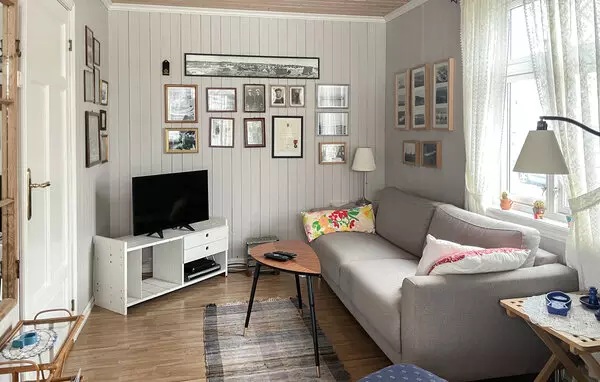
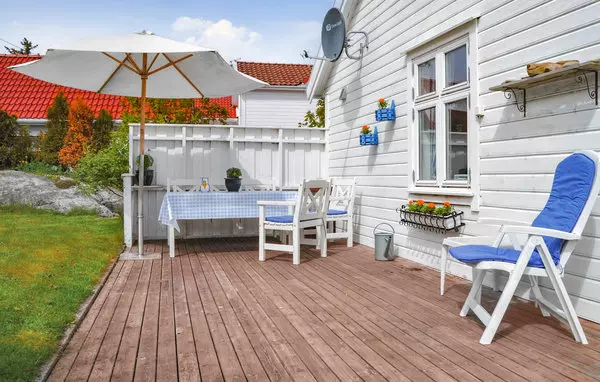


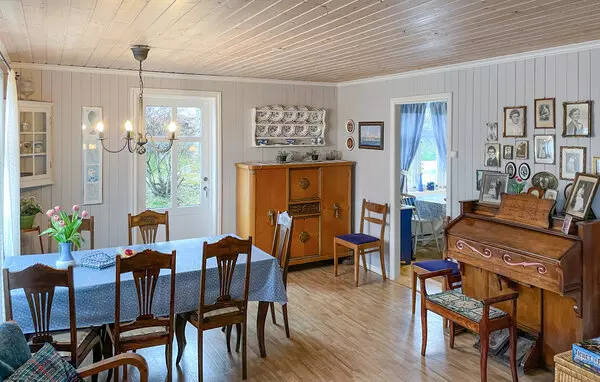

About Skudeneshavn. Welcome to this cosy cottage on the outskirts of Skudeneshavn. The house has a pleasant terrace for sunny days, and a lovely beach sits just 1.5 km away. Skudeneshavn is a charming sailing town with 19th-century roots, known for its white houses and narrow streets. Nearby Avaldsnes holds Norway's oldest royal seat, where King Harald Fairhair held court and Olav's Church (1250) still stands. Ideal for families with children.
Nearby attractions. Nearest habitation: 10 m
Fishing: 600 m
Shopping: 100 m
Restaurant: 200 m
Nearest town: 400 m (Skudeneshavn)
Water (fjord): 600 m
About Rogaland
When I finally reached the holiday home, tucked along one of Skudeneshavn's narrow lanes of white wooden houses, I was in no fit state for organised exploration. The owner had left the key in a small metal box, and I spent an embarrassing ten minutes trying every combination except the correct one, which was written plainly in her email. The cottage itself was a compact timber building with a small garden that smelled of salt and something floral I could not identify. I dumped my bags, made tea that tasted of the local water's slight metallic edge, and decided to wander without purpose. This was not bravery. I simply lacked the energy for anything structured. What followed was the best afternoon of my entire trip. I took a left where I should have taken a right, or perhaps the opposite, and found myself on a gravel path between two weathered boathouses. The path narrowed, then opened onto a tiny cove I have never seen mentioned in any guidebook. A single rowing boat lay upturned on the shingle. The water was that particular Norwegian green-grey that suggests depth and coldness in equal measure. I sat on a rock and watched a heron stand motionless on a half-submerged stone. It felt less like discovery and more like accidental trespass into someone else's peaceful routine. I tried to retrace my steps and failed comprehensively. This is my gift. The lanes of old Skudeneshavn, I learned, were designed by someone with either a wicked sense of humour or no sense of direction whatsoever. They curve, they dead-end, they offer three identical-looking junctions where no junction should exist. I passed the same blue-painted outhouse three times from different angles before accepting that I was properly lost. Rather than panic, I surrendered. The light was beginning to soften into that prolonged Nordic evening glow, and the white clapboard houses took on a warmth that contradicted their austere reputation. Behind what I thought was a continuation of someone's garden, I found a small orchard of mature apple trees, clearly old but still tended. Windfalls lay sweetening the grass. No fence, no sign, just trees in ordered rows leading down toward the water. I stood there like a trespassing child, half-expecting an angry farmer, until an elderly woman emerged from a doorway and simply nodded at me as if strangers admiring her apples were an everyday occurrence. I nodded back, feeling absurdly grateful for her tolerance. By the time I stumbled back toward the harbour area, genuinely hungry and slightly footsore, I had found three more nameless corners: a bench positioned perfectly for watching the ferry come and go, a cluster of traditional wooden racks for drying fish that still carried the faint ghost of that industry, and a flight of worn stone steps descending to water so clear I could see crabs moving across the bottom. None of these would feature in any itinerary. They had no historical plaques, no viewing platforms, no gift shops. They simply existed, waiting for the lost and the wandering. That evening I cooked pasta badly in the cottage's small kitchen and ate it at the garden table, watching the sky refuse to fully darken. I thought about how much of my travelling life I have spent rushing toward designated experiences, checking items off mental lists, and how rarely I have allowed myself the simple pleasure of not knowing where I am. There is a particular vulnerability to being lost in a place where you do not speak the language well, where the geography refuses to match your mental map, where your phone battery is lower than you would prefer. It is not comfortable. It is, I am slowly learning, where the interesting things happen. The next morning I found a proper map in a drawer and studied it with the zeal of a convert. I located my cottage, the harbour, the main road. I could not locate the apple orchard or the heron's cove. Either my map was inadequate or my wandering had taken me through spaces too small to be recorded. I prefer the second explanation. Some places, I think, only exist for those who arrive at them by mistake. |
| Home - Articles - About - Contact |
| Our Destinations: Austria - Belgium - Croatia - Cyprus - Denmark - France - Germany - Greece - Italy - Montenegro - Netherlands - Norway - Poland - Portugal - Slovenia - Spain - Sweden |
| © 2026 UK Cottages is part of Exclusive Travel Group Ltd™. Reg Nu 16861677 |


 4.
4.  0.
0.