
Go Back

Go Back |
|
Norway Self Catering holiday properties in and around Oppland |
Raufoss/Gjovik. Oppland. Norway From £loading... for 7 nights |
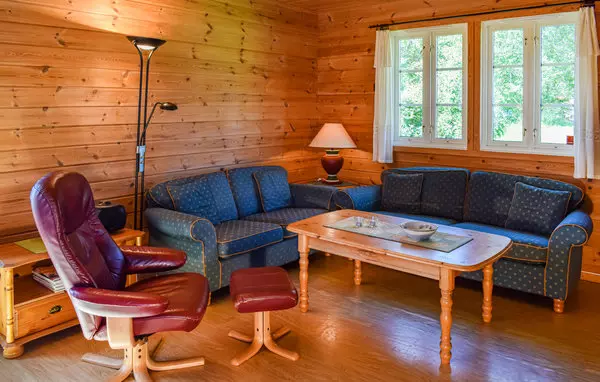

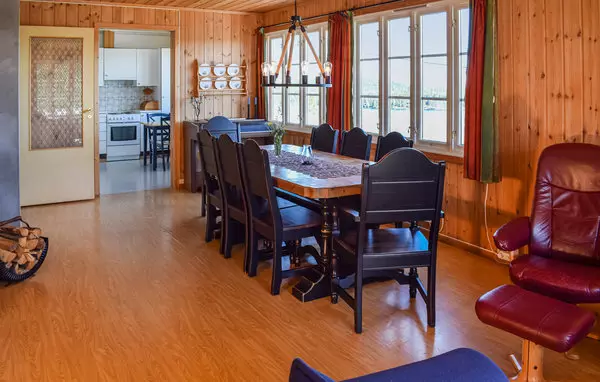
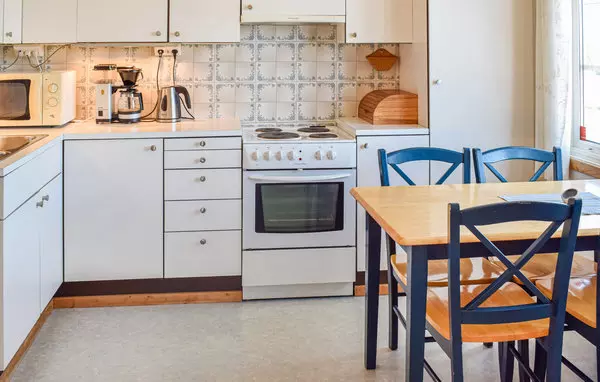
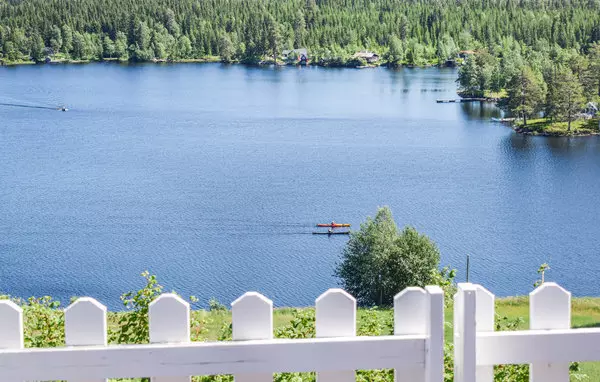
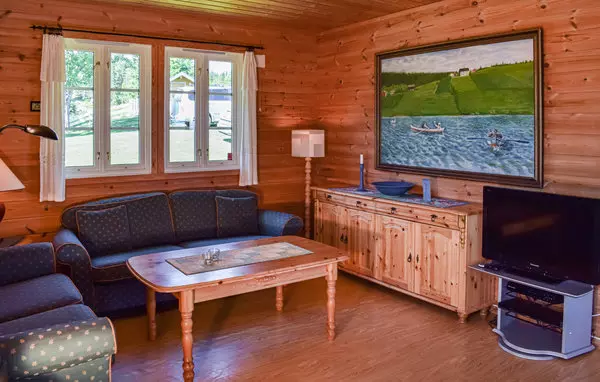
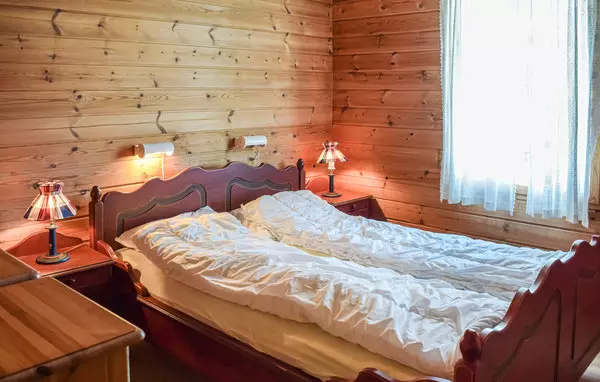
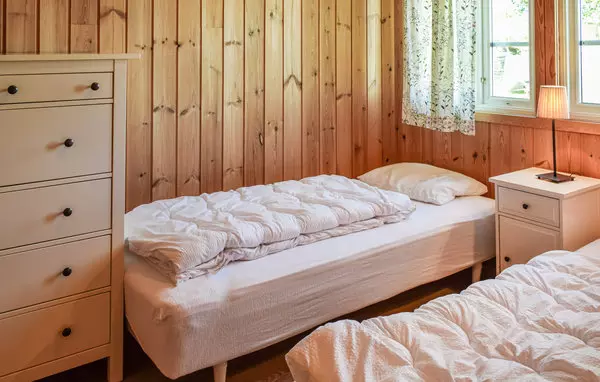
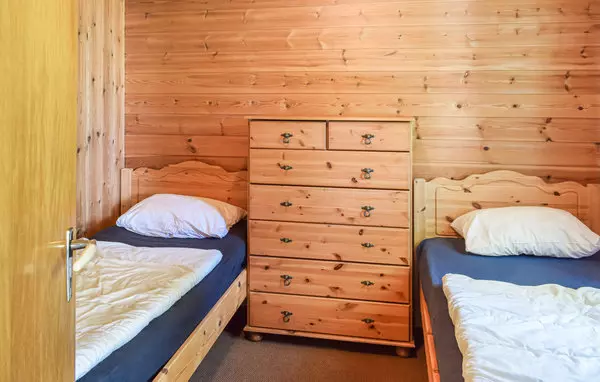
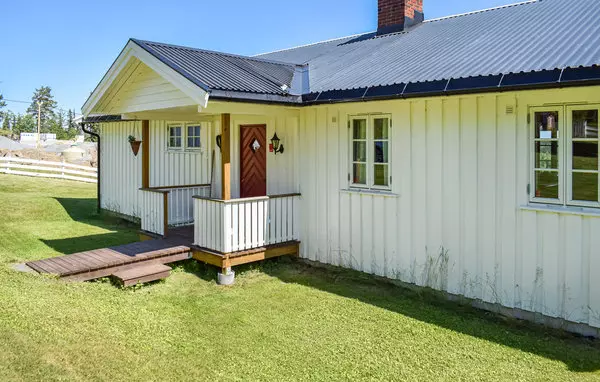
About Raufoss/Gjovik. Set in the heart of Norway, this holiday home overlooks the peaceful Lake Skumsjoen. Swim, fish and paddle in quiet forest waters, or explore the web of footpaths, cycle trails and ski routes through unspoilt countryside. Outdoor enthusiasts will feel right at home. The town of Gjovik sits on Mjosa, Norway's largest inland lake, roughly 15 km away. From there, board the historic paddle steamer Skibladner, built in 1856 and known as Mjosa's white swan. An hour's drive brings you to Jevnaker at the southern end of Lake Randsfjorden, home to the striking Kistefoss art museum with The Twist, plus Hadeland Glassverk where traditional glassware is made and sold. Oslo also makes for an easy day trip.
Nearby attractions. Nearest habitation: 20 m
Fishing: 150 m
Shops: 10 km
Restaurant: 10 km
Nearest town: 10 km (Raufoss)
Ski lift: 70 km
Ski area: 70 km (Lillehammer)
Lake: 150 m
Cross-country skiing: 200 m
About Oppland
The cabin itself sat on a modest slope looking down towards the water, the sort of wooden building that appears in Norwegian tourism brochures without ever quite looking real until you are standing in front of it. I was still scraping mud from my shoe treads when the neighbour appeared, a woman called Inger who must have been in her seventies and who was walking a dog the size of a small bear. She informed me, without preamble, that the previous occupants had left behind a fishing rod and a half-empty bottle of aquavit, and that I was welcome to both but should know that the rod had only ever caught pike "with poor attitudes." I liked her immediately. She spoke English with the particular confidence of someone who had learned it from BBC radio in the 1960s, all precise vowels and unexpected formality. When I mentioned the man with the mop, she nodded as if this were a perfectly normal introduction to the area and said, "Yes, that will be Bjorn. He does not speak, but he notices everything." I had not planned to meet Bjorn, or Inger, or indeed the man who appeared the following morning while I was attempting to light the wood-burning stove. This was Kjell, who introduced himself by opening the stove door, adjusting the air vent with a practised twist, and producing a flame from what had been my smouldering failure. He was seventy-four, a retired engineer from the Raufoss industrial works, and he treated the stove with the reverence of a lifelong professional. "These Jotul stoves," he said, as if introducing an old friend, "they are simple, but you must respect the simple things." He then sat at the kitchen table uninvited and drank the coffee I had made, which I understood to be the local custom and not rudeness. Over the next hour he explained the history of the Raufoss ammunition factory, the current state of local cross-country skiing trails, and his opinion that British people made coffee too weak "as if afraid of the taste." I did not argue. The coffee was indeed weak. I had been afraid of the taste. What struck me most about these early encounters was their complete absence of performance. Inger, Bjorn, and Kjell were not being charming for a visitor; they were simply being themselves in a place where the winters are long and the population sparse enough that you learn to notice who belongs and who is merely passing through. There was something quietly instructive in this, I realised, sitting with Kjell as he demonstrated the correct method for stacking firewood. I am not good at accepting help. I would rather struggle with a stove, or a mop, or a drainage ditch, than admit I do not know something. The locals of Raufoss and Gjovik seemed to operate on entirely different principles. Assistance was offered as automatically as breathing, without expectation of gratitude or reciprocity, and the acceptance of it was simply part of belonging to a place, however temporarily. By the end of my second day, I had been given a jar of cloudberry jam by Inger, had my bin collection day explained in elaborate detail by a passing teenager on a bicycle, and received a handwritten note from Kjell correcting my firewood-stacking technique with a small diagram. I had not sought any of this. I had simply been present, and apparently that was sufficient. The cabin itself was comfortable without being luxurious, the view across the water genuinely spectacular in that understated Scandinavian way, but it was these small human exchanges that formed my true first impression of Oppland. Not the landscape, though the landscape was beautiful. Not the cabin, though the cabin was warm. But the quiet, persistent, utterly unglamorous kindness of people who have learned that community is not a concept but a practice, built one stove-lighting, one mop-loaning, one weak cup of coffee at a time. |
| Home - Articles - About - Contact |
| Our Destinations: Austria - Belgium - Croatia - Cyprus - Denmark - France - Germany - Greece - Italy - Montenegro - Netherlands - Norway - Poland - Portugal - Slovenia - Spain - Sweden |
| © 2026 UK Cottages is part of Exclusive Travel Group Ltd™. Reg Nu 16861677 |


 3.
3.  0.
0.