
Go Back

Go Back |
|
Italy Self Catering holiday properties in and around Umbria |
Orvieto. Umbria. Italy From £loading... for 7 nights |
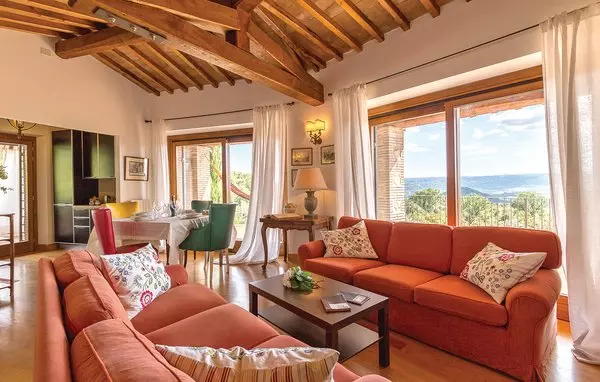
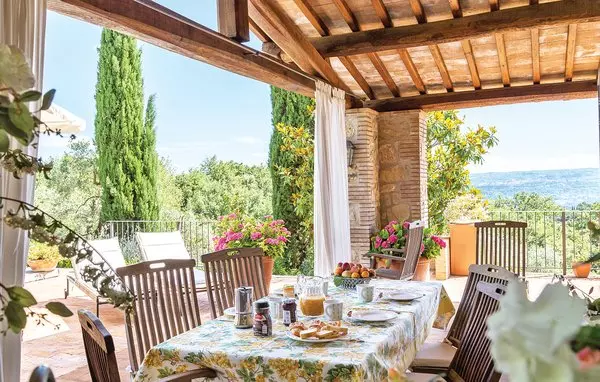
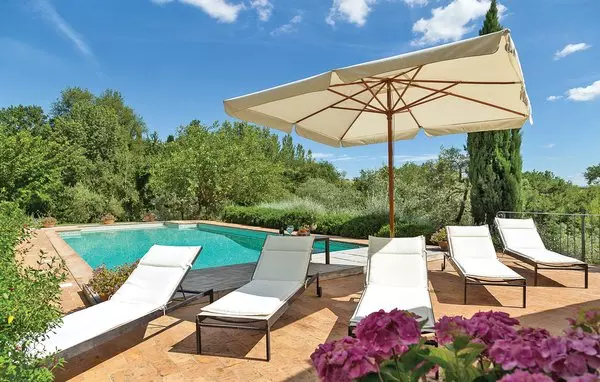
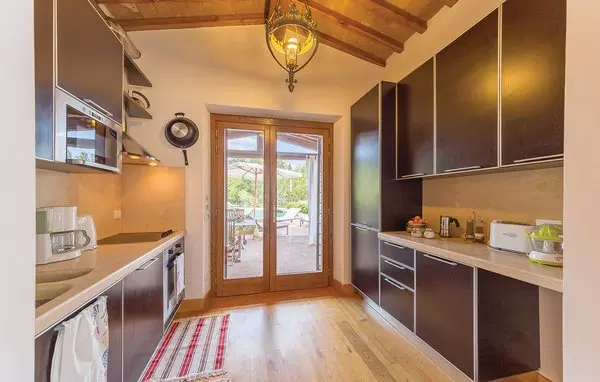
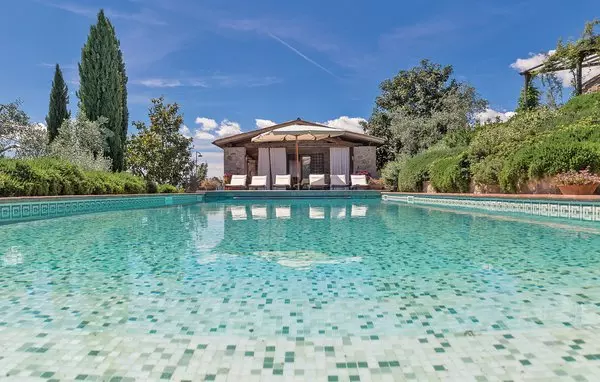
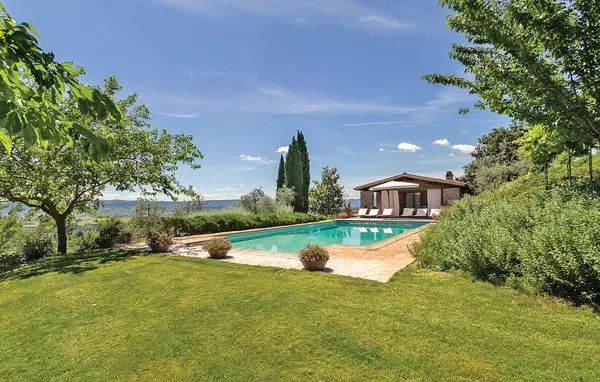
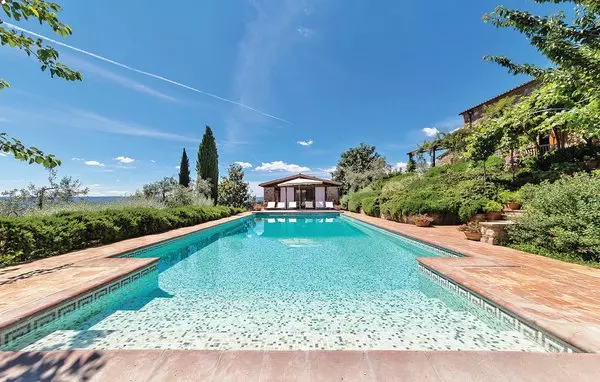
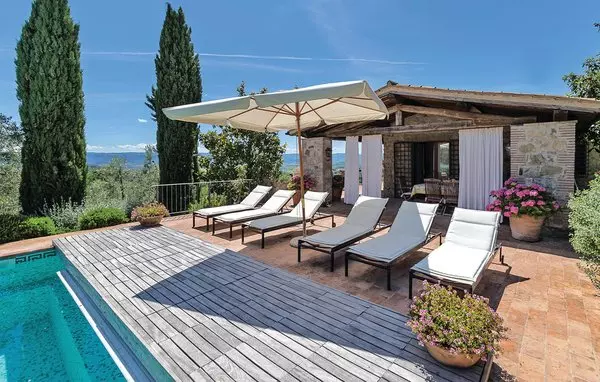
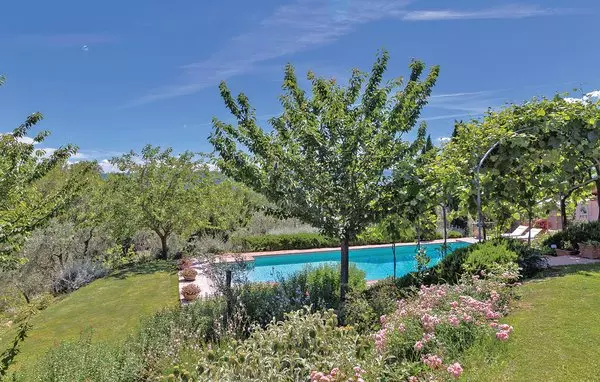
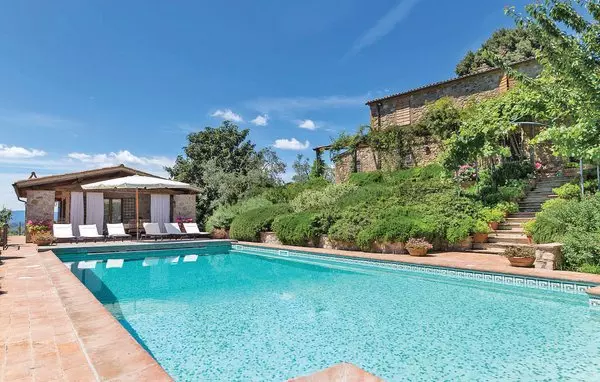
About Orvieto. Stay in an elegant holiday home set on a gentle hill with sweeping valley views, just 6 km from Orvieto. The property is fenced and shared with the owners' villa, though they are only present for maintenance. You will have a private garden with a furnished pool, covered terrace and summer kitchen for al fresco dining. Covered parking for two cars. Air conditioning on the first floor. Lake Bolsena and its beaches are 31 km away. The house sits between the lovely landscapes of Tuscany, Umbria and Lazio. Orvieto itself is an Etruscan and medieval city full of historic buildings, most notably its magnificent cathedral, one of Italy's finest Gothic masterpieces.
Nearby attractions. Airport (PEG): 77 km
Nearest habitation: 200 m
Shops: 5 km
Restaurant: 5 km
Orvieto: 6 km
Lake Bolsena: 31 km
About Umbria
We arrived at twilight, which in late April means that peculiar hour when the sky turns bruised purple and the first bats emerge. The owner, a wiry man called Franco who spoke English in the manner of someone who had learned it exclusively from cricket commentary, emerged from a barn with a torch and the resigned expression of a man who had retrieved many lost tourists from that same track. He led us through a garden that smelled of wet earth and something else, something I later realised was the first wisteria of the season climbing the pergola in pale, tentative clusters. The rain had stopped but everything dripped, a constant percussion that made the place feel almost submerged. The house itself was built from the local tufa stone, that warm volcanic stuff that glows faintly even in poor light. Franco showed us the kitchen with its terracotta floors, still cold from winter, and a fireplace he suggested we might want "if the spring turns spiteful," which it promptly did. That first evening we lit it more for ceremony than warmth, watching sparks climb while rain returned to drum against shutters we had not yet learned to fasten properly. They banged twice in the night, causing me to stumble through unfamiliar darkness convinced someone had arrived to tell us we were trespassing, or perhaps that the track had finally washed away entirely. Morning revealed what twilight had hidden. The property sat on a slope above an olive grove, the trees still silver-green and not yet thickened with summer growth. Spring here is not the polite, gradual affair it attempts in Britain. It arrives in bursts and retreats, theatrical and unreliable. We woke to mist that clung to the valley below, then by ten o'clock found ourselves in fierce sunshine that made the stone terrace almost too hot to stand upon barefoot. I kept alternating between jumper and t-shirt, never quite committing, always wrong. The seasonal uncertainty shaped everything. The pool, that tempting rectangle in the photographs, remained covered with a tarpaulin Franco regarded with the gravity of a shroud. "Maybe May," he said, though his tone suggested maybe not. We did not swim, but we did sit beside it on a bench that caught afternoon sun, watching lizards emerge from wall crevices to absorb what heat they could. They had the right idea, these cold-blooded creatures. We were attempting something similar, adjusting our rhythms to a place that had not yet decided what season it was. The kitchen garden behind the house illustrated this indecision perfectly. Artichokes stood in soldier rows, harvestable now but only just, their timing precise and unforgiving. Wild asparagus grew in the hedge boundaries, and Franco encouraged us to cut what we could find, though he warned the season was "already thinking of finishing." Everything felt provisional, caught between the last frost and the first reliable warmth, and I found myself adopting this temporariness, planning meals around what might not be available tomorrow, walking without destination because the weather could turn and trap us indoors by afternoon. By our third day I had stopped checking forecasts, which is not like me. The spring demanded a different approach, an acceptance of whatever arrived. We walked to the village one morning through mud that sucked at our shoes, then returned the same path that afternoon through dust already forming on the surface. I began to understand why the house had heavy blankets in every cupboard alongside mosquito nets still in their packaging. The season contained multitudes, and the property was equipped for all of them simultaneously. Our final evening brought a hailstorm, brief and violent, that stripped petals from the wisteria and left the terrace scattered with green confetti. We stood in the doorway watching it, wearing the jumpers we had needed that morning, then abandoned by noon, then required again. Franco appeared the next morning to assess damage, found none of consequence, and nodded as if this too were routine. "Spring," he said, which explained everything and nothing. I left Umbria with shoes I never quite dried out and a new appreciation for places that refuse to commit. The property had been beautiful not despite this uncertainty but because of it, alive with the tension of becoming, neither one thing nor another. I suspect summer visitors find a different house entirely, settled and predictable, the pool uncovered and the lizards already sated. I am not certain I would prefer it. There is something honest about a spring that keeps its options open, that makes you work a little harder for every pleasant hour, that reminds you with every weather change that you are merely visiting, borrowing time from a season still deciding what it wants to be. |
| Home - Articles - About - Contact |
| Our Destinations: Austria - Belgium - Croatia - Cyprus - Denmark - France - Germany - Greece - Italy - Montenegro - Netherlands - Norway - Poland - Portugal - Slovenia - Spain - Sweden |
| © 2026 UK Cottages is part of Exclusive Travel Group Ltd™. Reg Nu 16861677 |


 3.
3.  1.
1.