
Go Back

Go Back |
|
Italy Self Catering holiday properties in and around Sardinia |
Oliena. Sardinia. Italy From £loading... for 7 nights |
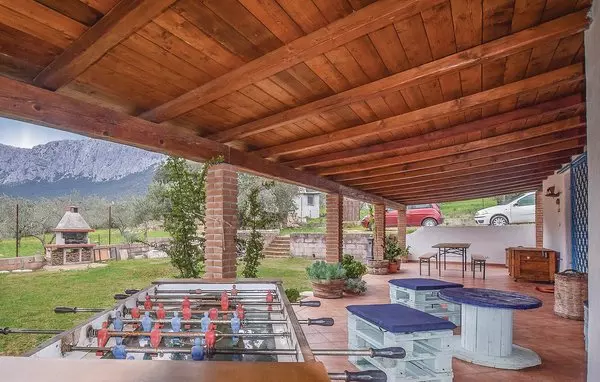
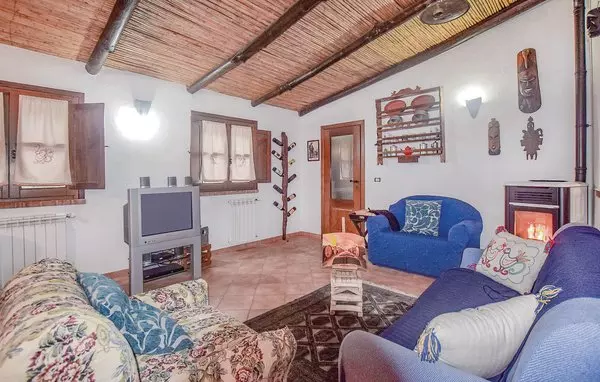
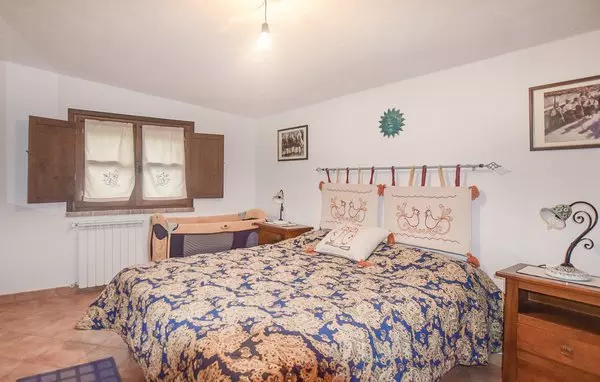
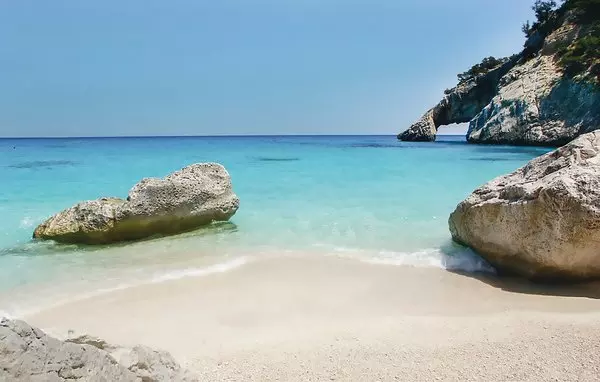
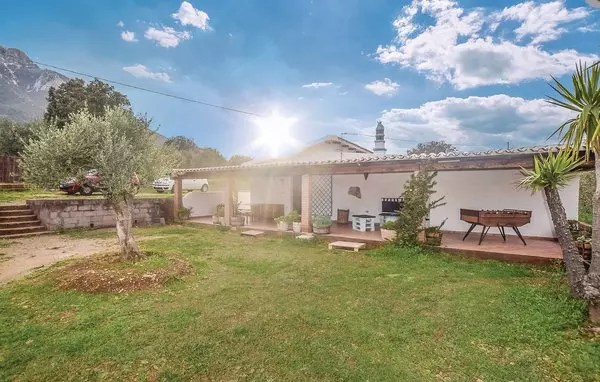
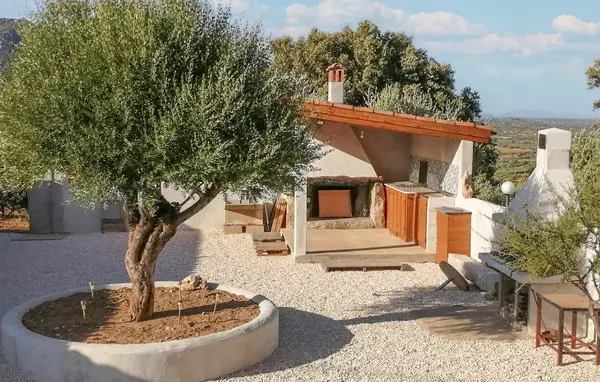
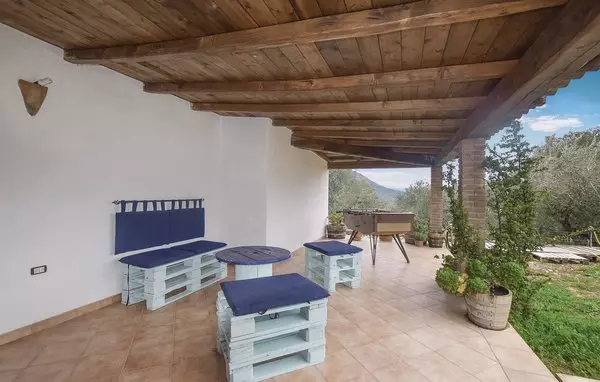
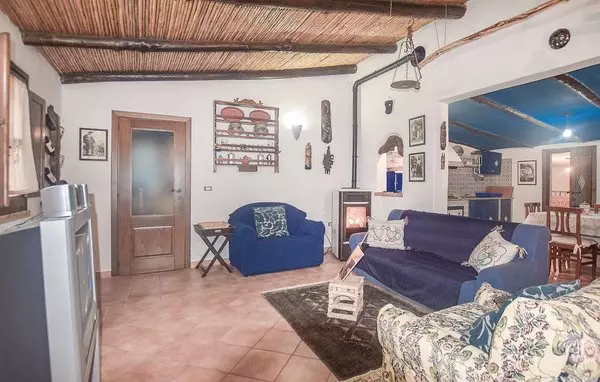
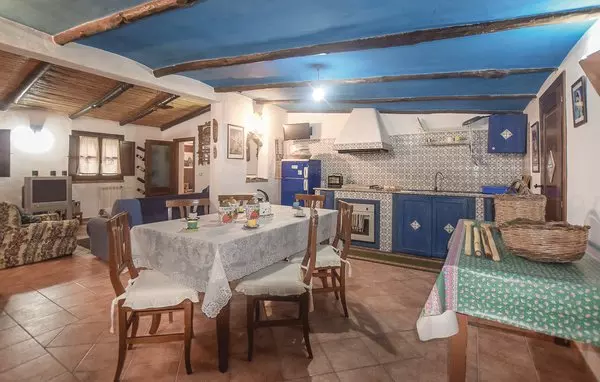
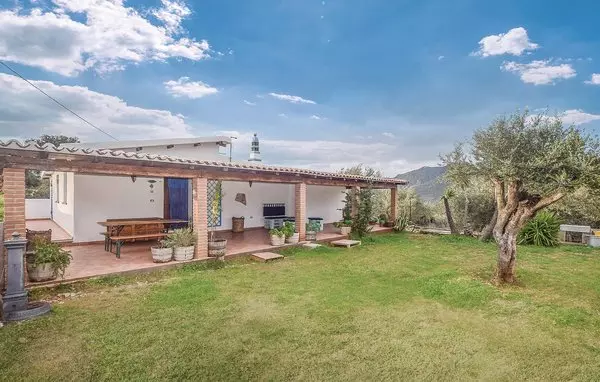
About Oliena. Holiday home at the foot of Monte Corrasi in Oliena, province of Nuoro, with magnificent mountain views. The area boasts archaeological sites including Tiscali, a prehistoric Nuragic settlement, and the Lanaittu Valley, where Sardinian Pelliti and Roman cultures meet. The famous beaches of San Teodoro lie 79 km to the east, whilst the Gulf of Orosei is just 32 km away. Nature lovers can explore Gennargentu Nature Park with its rich flora and fauna. Sardinia's unspoilt nature is truly unique. Local cuisine features porceddu, carasau bread, and the renowned Seada dessert. Olbia airport is 98 km distant.
Nearby attractions. Distance airport: OLB : 98000 m
Nearest habitation: 50 m
Distance fishing opportunity: 10000 m
Distance shopping: 3500 m
Nearest restaurant: 3500 m
Nearest city: 3500 m (Oliena)
Distance water: 24000 m (Sea/sandy beach)
About Sardinia
We had booked a place in Oliena, a proper stone village tucked into the Barbagia hills, and I had grand visions of arriving like some sophisticated traveller, perhaps with a linen shirt flapping in the breeze. Instead I arrived sweaty, flustered, and clutching a carrier bag of emergency pane carasau that we had panic-bought at a petrol station somewhere near Dorgali. The crackers were already half-crumpled from my nervous grip. The house itself was a revelation. Thick walls, cool terracotta floors, and a kitchen that immediately made me want to cook everything at once. There was a proper fireplace for roasting, wooden beams overhead, and a terrace that looked out over a valley of vineyards and wild herbs. I stood there with my petrol station crackers feeling rather foolish, already planning the meals I would attempt. Oliena, I quickly discovered, revolves around food in the most glorious way. The village sits in the shadow of Monte Corrasi, and the locals have spent centuries perfecting the art of eating well in rugged terrain. Our first morning, I wandered down to find the local baker already pulling out rounds of that same pane carasau I had mangled, only hers were perfect parchment-thin discs, still warm, smelling of toasted wheat and wood smoke. I bought three packets and ate most of one walking back up the hill. The butcher was next. A tiny shop with a marble slab and a man who looked like he had been cutting meat since before I was born. I pointed hopefully at some ruby-red chunks of pork, and he wrapped them with the patience of someone dealing with a particularly dim tourist. "Porceddu," he said, slowly, as if to a child. "You cook long. Slow." I nodded with far more confidence than I felt. The village market happens twice weekly, spilling through the narrow streets with stalls of pecorino aged in caves, jars of honey thick with thyme, bunches of wild fennel, and tomatoes that actually smelled like tomatoes. I went slightly mad, as one does, and returned with more cheese than any two people could reasonably consume, plus a bottle of Cannonau that the stallholder insisted was "molto importante" for digestion. My partner raised an eyebrow at the quantity of food, but I had plans. That evening I attempted my first proper Sardinian meal. The kitchen had a heavy iron pan, and I had those pork chunks, plus garlic from the market, rosemary I had nicked from a bush near the house, and a determination to prove myself. The porceddu was meant to roast for hours, but I had started too late and hunger was winning. I cranked up the heat in a panic. The result was edible, just, though rather chewier than the melting tenderness I had imagined. We ate it on the terrace with the emergency petrol station crackers serving as backup carbohydrates, laughing at my hubris as the sun dropped behind the mountains. The next morning I swallowed my pride and asked a neighbour for advice. She spoke no English and my Italian extends barely past ordering coffee, but we managed through gestures and the universal language of food. She showed me how to prepare fregola, those tiny toasted pasta pearls, with clams and saffron. I watched her hands, the confidence of decades, and felt a pang of something between envy and determination. By our third day, I had settled into a rhythm. Morning market, if it was market day. Otherwise, a walk to the baker, perhaps the little grocer for vegetables so fresh they still had soil clinging to them. I learned to ask for things properly, or at least properly enough that people stopped looking pained. I made pane frattau, layering that crisp bread with tomato sauce and poached eggs, a dish so simple it barely needs a recipe yet so satisfying I ate it three days running. One evening, feeling ambitious, I attempted culurgiones, the local stuffed pasta shaped like little ears. The neighbour had demonstrated the pinching technique, a specific fold that supposedly takes years to master. Mine looked like they had been sat on. They burst in the water, filling the kitchen with potato and mint in a rather soggy fashion. We ate the survivors anyway, with butter and more of that grated pecorino, and I decided that some skills genuinely do require years and that I was perfectly content to be a beginner. The house had a small herb garden, neglected but generous. I made proper use of it, adding wild marjoram to bean soups, steeping mint for tea in the cool evenings. There is something deeply satisfying about cooking with ingredients you have gathered yourself, even if gathering means simply stepping outside and snipping. Our final night, I finally got the porceddu right. Low heat, patience, plenty of myrtle branches from the garden for that distinctive Sardinian flavour. It fell apart at the touch of a fork, rich and unctuous, served with roasted potatoes that had soaked up the drippings. We opened the last of the Cannonau, raised our glasses to the valley below, and I felt that particular holiday contentment that comes from having slowed down properly, from having learned a few things and failed at others. I still think about that kitchen, the morning light coming through the shutters, the smell of wood smoke and roasting meat. I think about the baker who eventually recognised me enough to smile, the butcher who stopped speaking quite so slowly, the neighbour who taught me without really teaching at all. I came to Oliena thinking I would see Sardinia, and I did, but mostly I tasted it, fumbled through it, and left with flour on my clothes and a genuine understanding of why Italians treat lunch as a sacred event. |
| Home - Articles - About - Contact |
| Our Destinations: Austria - Belgium - Croatia - Cyprus - Denmark - France - Germany - Greece - Italy - Montenegro - Netherlands - Norway - Poland - Portugal - Slovenia - Spain - Sweden |
| © 2026 UK Cottages is part of Exclusive Travel Group Ltd™. Reg Nu 16861677 |


 2.
2.  1.
1.