
Go Back

Go Back |
|
Italy Self Catering holiday properties in and around Puglia |
Torre Specchia Ruggeri. Puglia. Italy From £loading... for 7 nights |
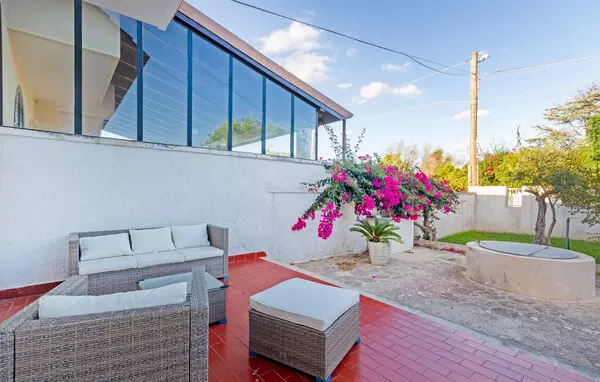
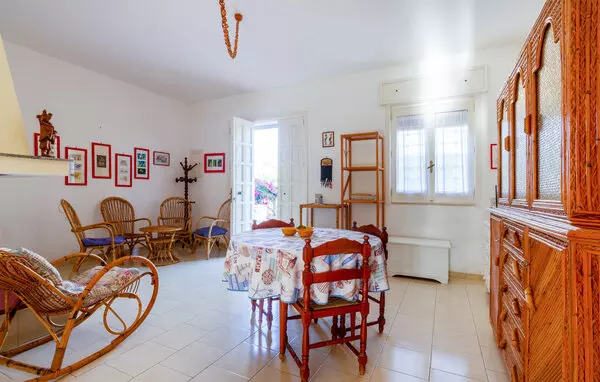
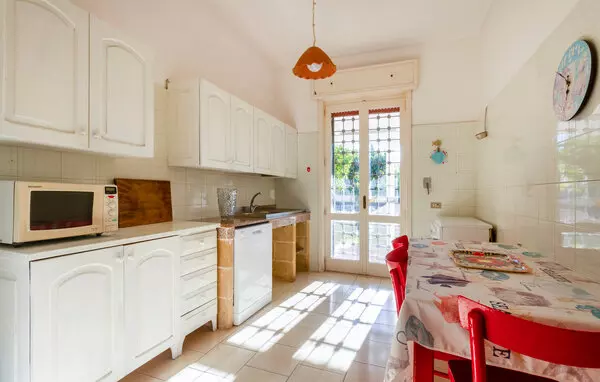
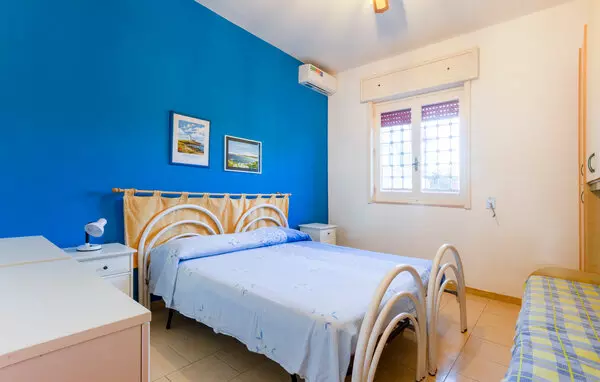
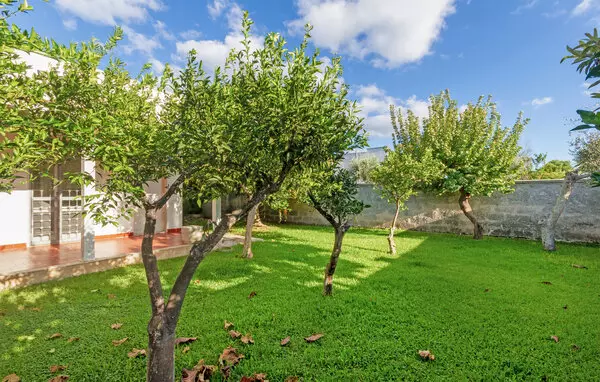
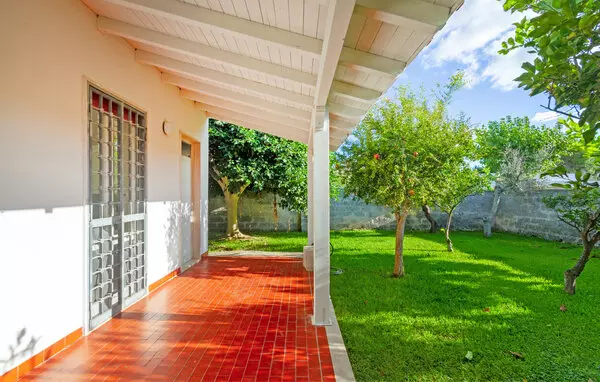
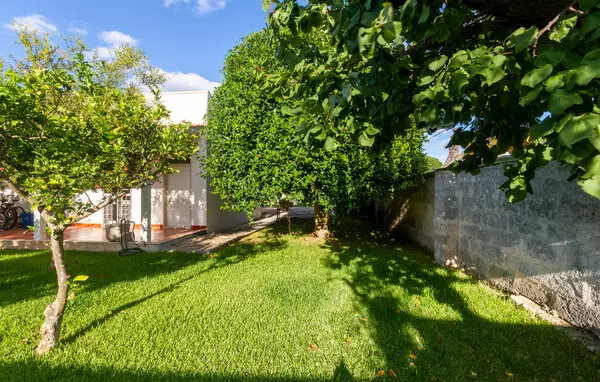
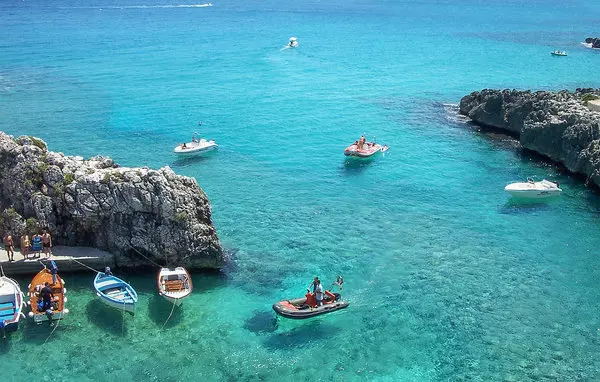
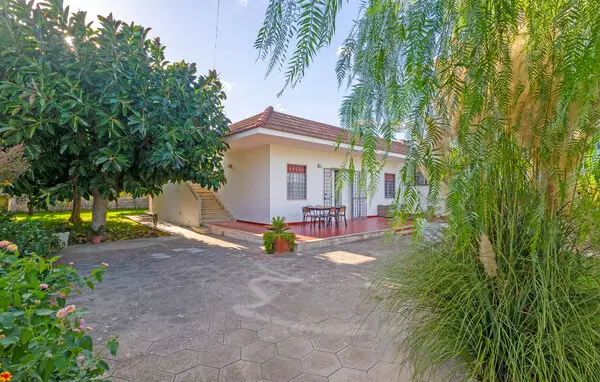
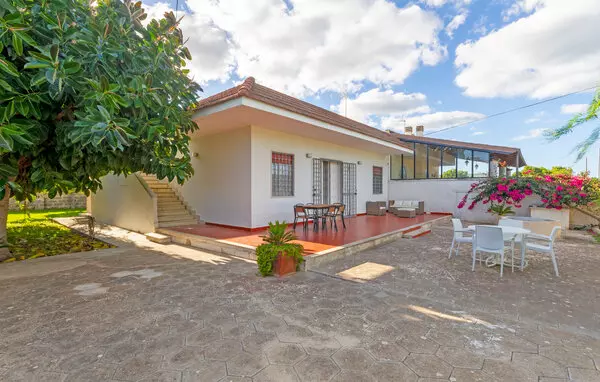
About Torre Specchia Ruggeri. You're on the southern edge of the WWF Le Cesine nature reserve, a short stroll from the beach. This holiday home blends antique and modern pieces in a relaxed, welcoming setting. Mornings are best spent with coffee on the terrace, while evenings suit lazy hours indoors. Otranto, Italy's easternmost point, sits 25 km away - its cathedral holds Europe's largest mosaic, the Aragonese castle looms nearby, and dazzling white beaches stretch along the coast. San Foca's marina arranges boat trips. Year-round village festivals nearby offer folk music, traditional Puglian dance and superb local food.
Nearby attractions. Airport (BDS): 52 km
Nearest property: 10 m
Shops: 2.5 km
Restaurant: 2.5 km
Nearest town: 3 km (Melendugno)
Beach: 400 m (sand)
About Puglia
The tower itself is properly old, one of those fortified coastal watchtowers built to keep an eye out for invaders, though these days the only thing approaching with any menace was my hunger. I had grand plans for my first evening: a simple pasta, a glass of local Primitivo, perhaps a civilised dinner on the terrace watching the sunset. What I actually produced was a disaster of such magnificent proportions that I briefly considered writing to the local tourism board to apologise. The problem, I soon discovered, was that self-catering in Puglia requires a certain mindset. The kitchen at the tower is perfectly adequate, charming even, with its stone walls and rustic wooden table. But I had made the rookie error of assuming that "simple Italian cooking" meant I could simply throw together ingredients and achieve something edible. I had purchased what I thought were basic supplies at a supermarket in Lecce: pasta, tomatoes, some cheese. What I had not understood was that the tomatoes needed to be the proper ones, the cheese was entirely the wrong sort for the dish I was attempting, and my olive oil was apparently "fine for salad but not for cooking," according to the neighbour who appeared at my door drawn by the smell of burning garlic. Salvatore, as I later learned he was called, stood in my doorway with the air of a man witnessing a culinary crime scene. He spoke no English and I speak barely any Italian, but through a combination of gestures, facial expressions, and what I can only describe as disappointed noises, he conveyed that I was doing everything wrong. Then, incredibly, he produced from his pocket a small jar of his own passata and a bulb of garlic that looked like it had been grown with intention. He took over my kitchen with the efficiency of a field surgeon, and twenty minutes later I was eating the best pasta pomodoro of my life, sitting on a plastic chair in my own courtyard, feeling simultaneously grateful and deeply humbled. The next morning I set out early for the market in nearby Torre dell'Orso, determined to do better. This is where Puglia reveals itself properly, where the self-caterer can actually succeed with a bit of observation and humility. I watched an elderly woman squeeze tomatoes with a practised motion, sniffing the stems of basil with her eyes half-closed, selecting orecchiette by running her fingers through the rough pasta shapes as if reading braille. I copied her as best I could, buying firm little ciliegini tomatoes, a knot of fresh orecchiette from a stall that made them by hand, a ball of burrata so fresh it was still weeping milk, and a bunch of wild rocket that the vendor had foraged that morning. I also bought far too much, which became a recurring theme. The fishmonger convinced me I needed a whole sea bream, "per la cena, per domani, per sempre," he joked, wrapping it in paper with a handful of lemons from his own tree. The baker pressed an extra focaccia on me, still warm, oily with local olive oil and scattered with salt and rosemary. By the time I reached the cheese stall, I was carrying so many paper-wrapped parcels that I had to set them down to count out my euros, and the cheesemaker laughed and threw in a wedge of caciocavallo "for strength." Back at the tower, I approached lunch with the seriousness of a student sitting an exam. I made a simple tomato salad, slicing the ciliegini and letting them sit with salt and nothing else for twenty minutes until they made their own dressing. I tore the burrata over the top so the creamy stracciatella spilled out, added the rocket, and dressed it with olive oil that Salvatore had apparently left on my doorstep that morning. I ate it with the focaccia, sitting in the same plastic chair, and felt something shift in my understanding of what food could be when the ingredients themselves did the work. The sea bream became dinner, and here I must admit to a small triumph. I had watched enough, asked enough questions through terrible Italian, to understand the local method: stuffed with lemon and wild fennel from the tower's own garden, roasted simply, served with potatoes that had crisped in the same olive oil. It was not perfect. The skin stuck slightly to the dish. One section was perhaps thirty seconds overcooked. But I ate it on the terrace as the light faded, with a bottle of Negroamaro that cost less than a London sandwich, and I felt genuinely proud in a way that no restaurant meal has ever made me feel. The markets became my routine. I learned to go early, to carry cash, to accept the extra portions that vendors seemed to press on foreigners with amused generosity. I discovered the Wednesday market in Melendugno, smaller and more local than Torre dell'Orso, where an old man sold nothing but dried legumes and pulses, arranged in woven baskets like precious stones. I bought cicerchie, an ancient chickpea-like bean particular to Puglia, and spent an evening failing to cook them properly because I had not soaked them long enough, ending with a dinner of emergency focaccia and the shameful knowledge that somewhere, Salvatore could probably sense my incompetence. But I tried again, and they were better, and by my final evening I produced a respectable cicerchie e cicoria, the bitter greens balanced with the creamy beans, finished with more of that olive oil that seemed to make everything taste of sunshine and soil. I ate it with the last of my wine, watching the tower's shadow stretch across the courtyard, and thought about how wrong I had been to assume that cooking here would be easy, how much I had needed to be taught by failure and kindness and the patience of people who understood that food is not a performance but a conversation with a place. I left Puglia with a jar of Salvatore's passata wrapped in my clothes, a bag of orecchiette in my hand luggage, and the certain knowledge that I would never again attempt to cook with supermarket tomatoes and expect anything worth eating. Some lessons, it turns out, require a crumbling stone tower, a neighbour's disappointed face, and the slow realisation that the best meals are the ones that teach you how little you knew. |
| Home - Articles - About - Contact |
| Our Destinations: Austria - Belgium - Croatia - Cyprus - Denmark - France - Germany - Greece - Italy - Montenegro - Netherlands - Norway - Poland - Portugal - Slovenia - Spain - Sweden |
| © 2026 UK Cottages is part of Exclusive Travel Group Ltd™. Reg Nu 16861677 |


 3.
3.  1.
1.