
Go Back

Go Back |
|
Italy Self Catering holiday properties in and around Puglia |
Ostuni. Puglia. Italy From £loading... for 7 nights |
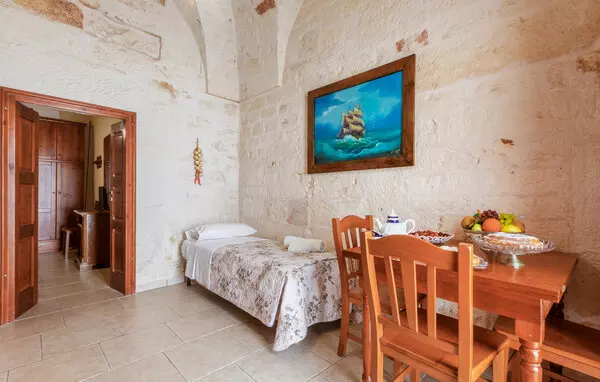
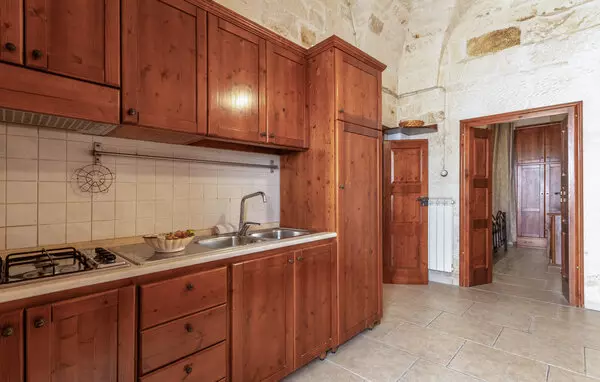
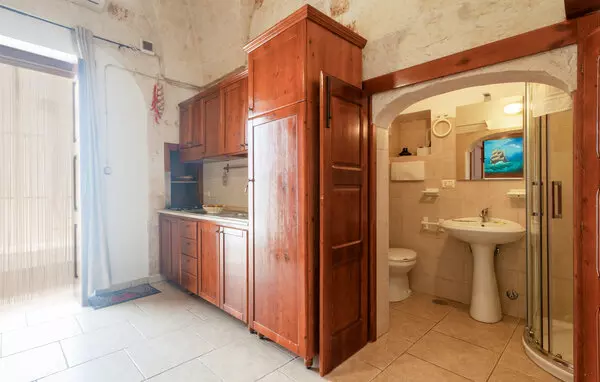
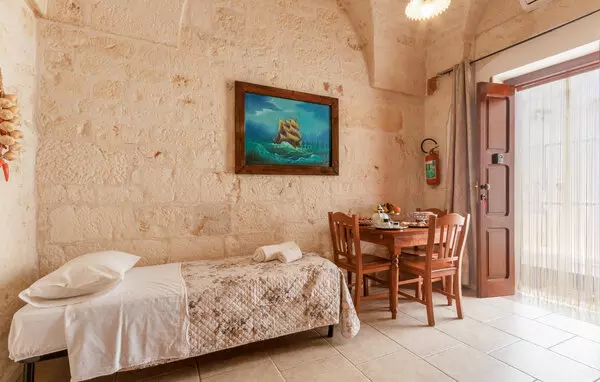
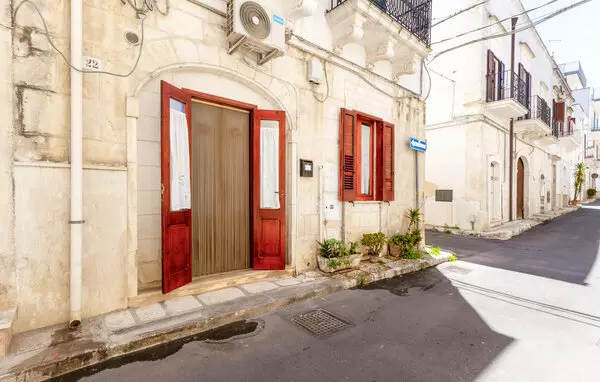
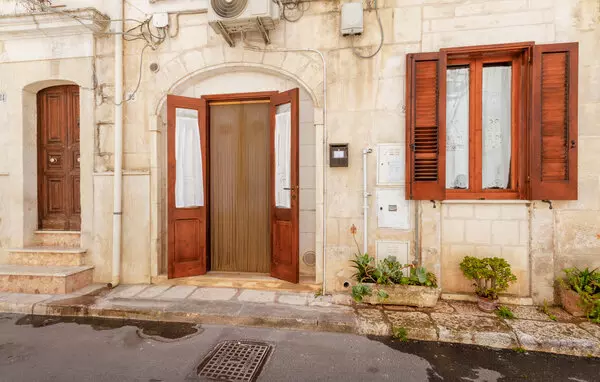
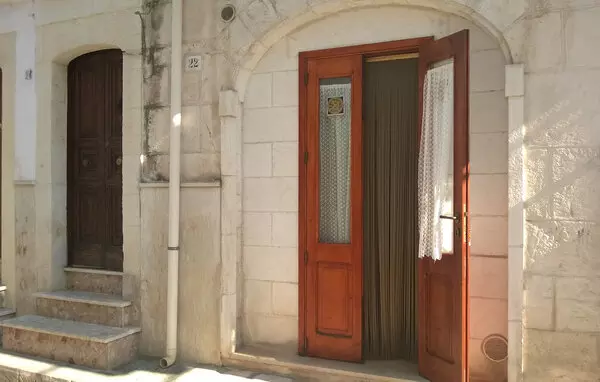
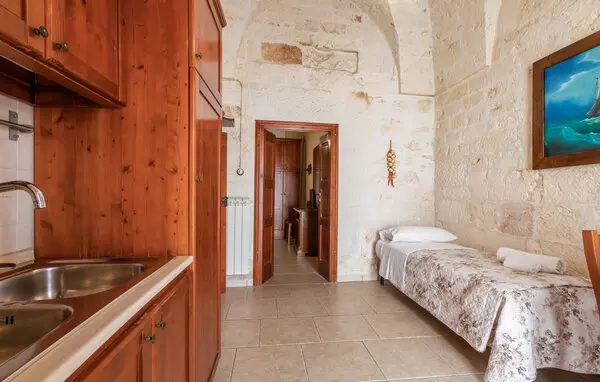
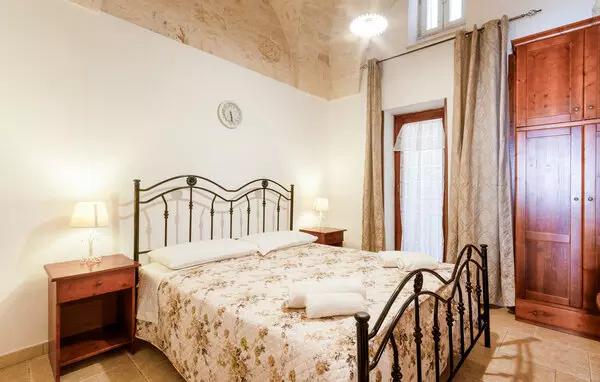
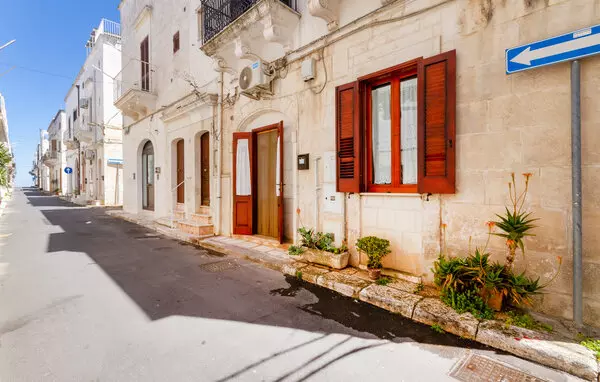
About Ostuni. Enjoy a relaxing break in this holiday home with traditional flair. Your retreat in Ostuni offers beautiful surroundings for unwinding in Apulia. Immerse yourself in the authentic ambience of the White City and let its Mediterranean charm enchant you. Explore historic alleyways and savour delicious Apulian cuisine. Inside, natural stone walls and wooden furniture create a rustic character. The solid wooden dining table suits communal meals perfectly. Cook with fresh local ingredients, then relax on the cosy sofa for the evening. The typical Apulian cityscape with narrow streets and whitewashed houses awaits on your doorstep. Stroll through Ostuni's historic centre, discovering charming cafes, boutiques and traditional trattorias. Exciting excursions abound: explore Torre Guaceto Nature Park, unwind on golden Adriatic beaches, or visit Alberobello's famous trulli. Sample local specialities like orecchiette pasta and fresh olive oil in town restaurants.
Nearby attractions. Distance airport: BDS: 40000 m
Nearest habitation: 5 m
Distance shopping: 10 m
Nearest restaurant: 100 m
Nearest city: 10 m (Ostuni)
Distance water: 7000 m (Sea/sandy beach)
About Puglia
The trullo itself was even more charming than the photographs suggested, though I will confess my first impression was dominated less by architectural appreciation and more by the kitchen. Small, whitewashed, with a proper stone oven in the corner and shelves lined with terracotta bowls that looked as though they had actually been used rather than arranged by an interior designer. I opened the wooden shutters and the afternoon light poured in, illuminating a countertop where someone had left a bottle of local olive oil and a small paper bag of orecchiette, those little ear-shaped pasta shells that Puglia is famous for. I felt immediately judged by both, in the most motivating way possible. We had planned to eat out that first evening, perhaps somewhere in Ostuni's gleaming white old town, but instead found ourselves at the local market in the morning, still slightly disoriented from travel and the field incident. The market was not large, perhaps thirty stalls set up in a dusty square, but it was devastatingly serious about food. An elderly woman with hands like twisted olive branches was selling tomatoes that smelled of actual sunshine, not the refrigerated nothingness I was accustomed to from supermarkets at home. I bought far too many, along with a bulb of garlic the size of my fist, some crumbling caciocavallo cheese, and a bunch of wild greens the vendor described with a gesture that I interpreted as "cook them with abandon." That first self-catering attempt was, I will be honest, a small tragedy. I had intended to make a simple pasta with those glorious tomatoes, but I misjudged the stone oven, which retained heat like a dragon's belly, and emerged twenty minutes later with something that resembled sauce in only the most abstract, conceptual sense. My partner, who is kinder than I deserve, ate it without complaint while I sulked into my wine. The wine, at least, was excellent, a Primitivo from a vineyard no more than ten miles away, and I consoled myself with the thought that failure is simply the first step toward authenticity. The following morning I woke early, still slightly wounded, and walked to a nearby bakery I had spotted during our accidental agricultural tour. The baker, a compact man who communicated largely through eyebrow movements, sold me focaccia still warm from the oven, studded with local olives and slick with more of that extraordinary olive oil. I ate half of it standing in the street like a shameless tourist, and returned with the remainder as a peace offering to my partner, who was by then awake and mercifully willing to attempt another market trip. This time I paid proper attention. I watched how the locals selected their vegetables, how they asked for cheese by name, how they seemed to conduct entire social lives across these stalls while somehow never blocking anyone's access to the good tomatoes. I bought fresh burrata, that miraculous Puglian invention of mozzarella shell and stracciatella centre, which I understood intellectually would need eating within hours but emotionally could not believe would actually deteriorate. It did. We ate it for lunch with bread and nothing else, and I have rarely been so content. By our third day I had established something of a routine. Morning market, if I could rouse myself, or else the small alimentari in the nearby village where a woman named Rosa seemed simultaneously amused and concerned by my attempts at Italian. She corrected my pronunciation of "cime di rapa" with the patience of someone who had done this many times before, and sold me anchovies preserved in salt that I later learned to rinse and fillet with increasing competence. The stone oven and I had reached an understanding. I learned to start it early, to judge temperature by touch rather than hope, and produced a decent roast of local lamb with potatoes and rosemary that made me embarrassingly proud. What struck me most, I think, was how the food here resisted any attempt at hurry. Everything demanded time, attention, some basic knowledge that I did not initially possess but gradually accumulated through error and occasional success. The wild greens needed proper washing, the pulses required overnight soaking, even the simplest tomato sauce benefited from patient simmering. I am not naturally patient. I am the person who puts the kettle on and then hovers beside it as though my presence might speed the boiling. Puglia forced a different rhythm upon me, and I found myself strangely grateful for it, though I would not admit this to anyone I know in my ordinary life. Our final evening, I attempted something ambitious. I had watched a neighbour harvest artichokes from his garden, and he gave me two with a generosity that seemed almost excessive given my obvious inexperience. I trimmed them badly, I am certain, but managed to produce a reasonable Roman-style preparation with garlic, mint, and breadcrumbs, cooked slowly in the stone oven until tender. We ate it with more of that local Primitivo, watching the sun set over the olive groves, and I felt briefly like someone who understood something important about how to live. I did not, of course. I returned home and immediately ordered takeaway curry three nights in a row. But I keep the olive oil we brought back, and I use it sparingly, and sometimes when I am standing in my ordinary kitchen waiting for something to heat, I remember the lemon tree and the field and the patient, unhurried seriousness of that market, and I slow down, just slightly, just for a moment, before the kettle boils. |
| Home - Articles - About - Contact |
| Our Destinations: Austria - Belgium - Croatia - Cyprus - Denmark - France - Germany - Greece - Italy - Montenegro - Netherlands - Norway - Poland - Portugal - Slovenia - Spain - Sweden |
| © 2026 UK Cottages is part of Exclusive Travel Group Ltd™. Reg Nu 16861677 |


 1.
1.  1.
1.