
Go Back

Go Back |
|
Italy Self Catering holiday properties in and around Northern Italian Lakes |
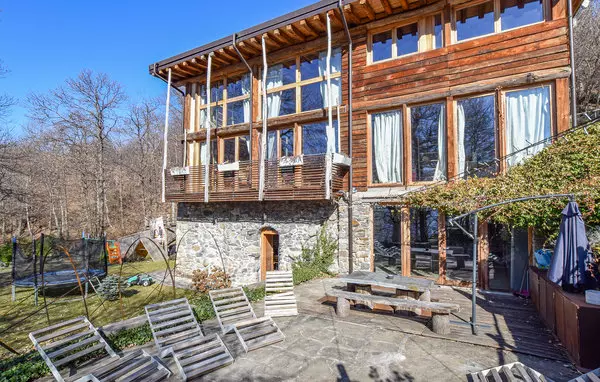
Capo Di Ponte. Northern Italian Lakes. Italy From £loading... for 7 nights |
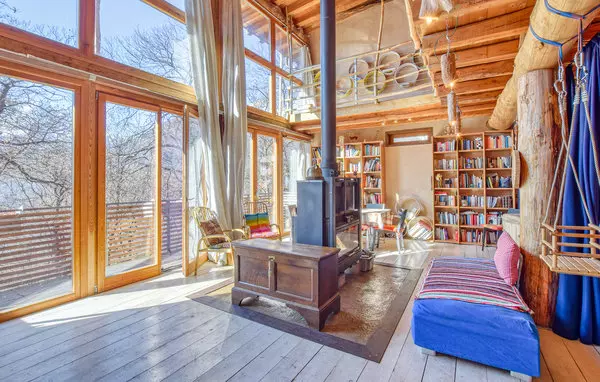
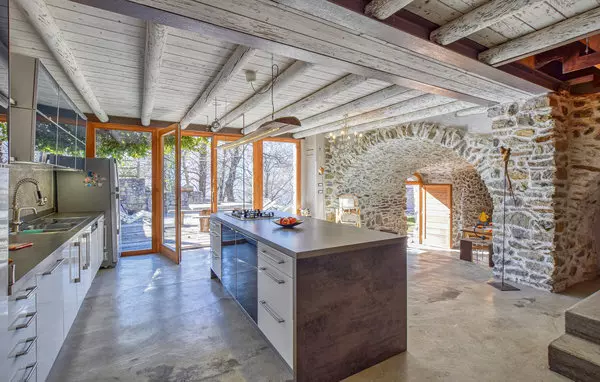
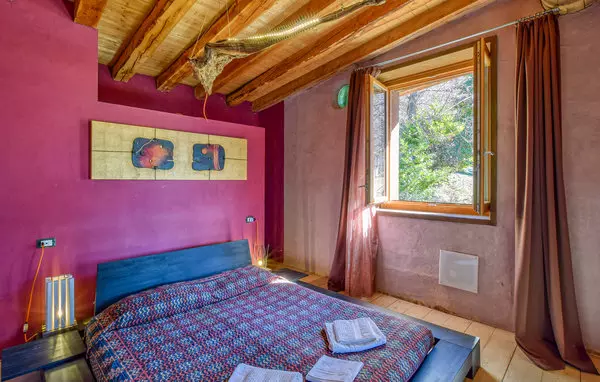
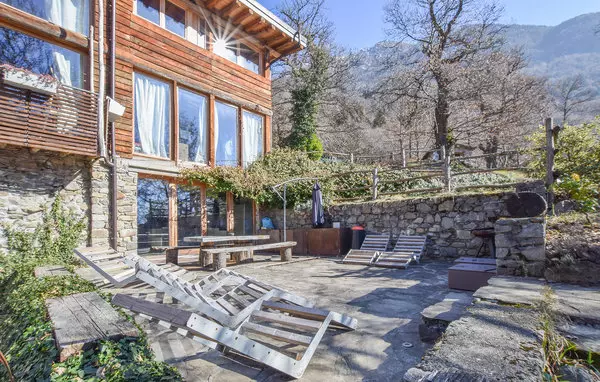
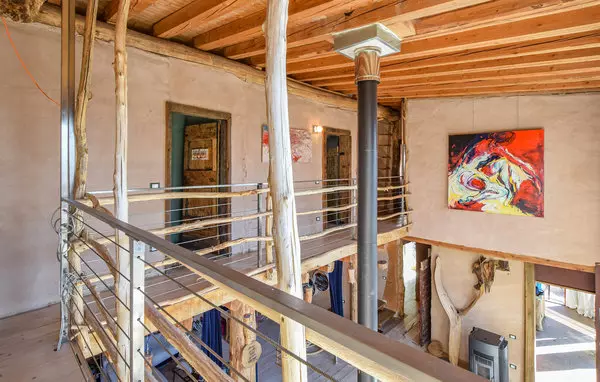
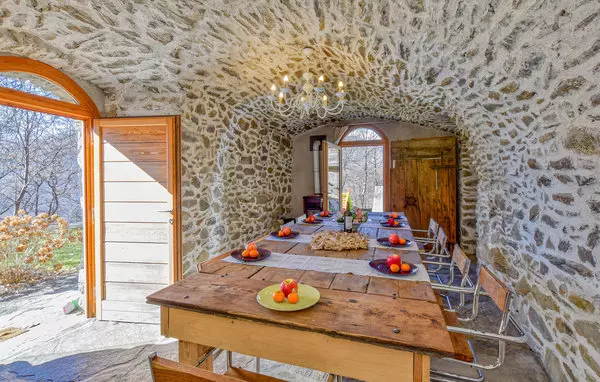
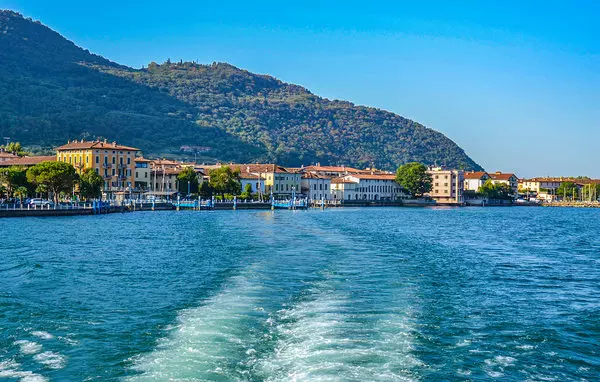
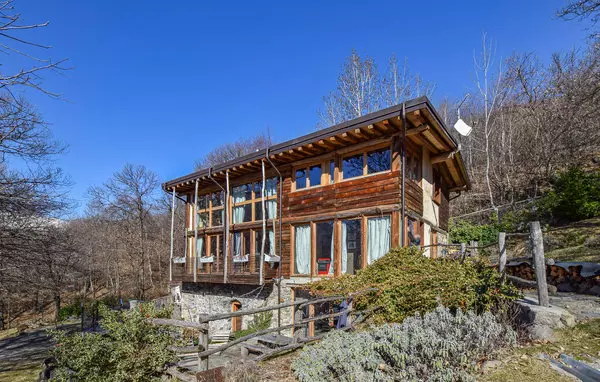
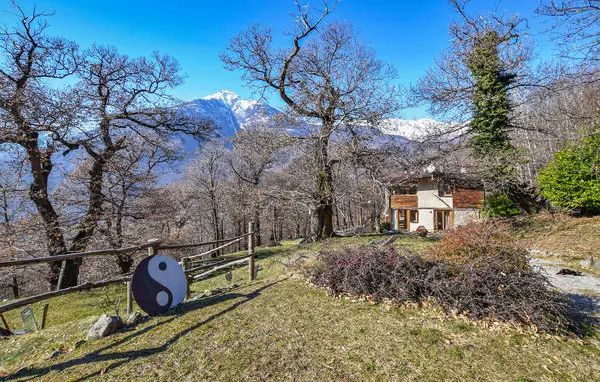
About Capo Di Ponte. A spacious, light-filled cottage perfect for a relaxing getaway. Large windows flood the interior with natural light and frame lovely outdoor views, creating a warm, inviting atmosphere. Modern touches blend charmingly with rustic details throughout. The grounds are ideal for unwinding in the sunshine. Swim at a lake 35 km away, or explore Lombardy. Near Capo di Ponte, visit the Valle Camonica rock art park, with carvings from around 8000 BC. Ponte di Legno, 30 km distant, sits within Adamello National Park and offers stunning scenery and excellent local food. Note: access is an unpaved track, roughly 10 minutes on foot. Four-wheel drive handles it easily; otherwise, the owner assists with luggage at check-in and check-out.
Nearby attractions. Airport (BGY): 77 km
Nearest property: 10 m
Shops: 5 km
Restaurant: 5 km
Nearest town: 5 km (Capo di Ponte)
Lake: 35 km
About Northern Italian Lakes
By the time we pulled up at Capo Di Ponte, I was ready to eat my own arm. The property itself was one of those handsome stone houses that cling to the hillside above Lake Iseo, with a terrace that seemed to float over the water and a kitchen that smelled faintly of rosemary from the previous guests. We dumped our bags and immediately set about investigating the local food situation, which is how I operate on holiday: find the nearest edible thing, then work outwards in concentric circles of increasing ambition. The village of Castro, barely ten minutes' walk down the hill, turned out to be our first port of call. There was a small alimentari run by a chap called Marco who seemed genuinely delighted that we wanted to cook rather than just buy postcards. Within twenty minutes he'd sold us olive oil from a farm up the valley, a string of plump garlic bulbs, and some local sardines that he insisted were "perfetto for the grill." I believed him entirely. We also picked up a loaf of pane di Altamura that was still warm enough to steam slightly when I tore a corner off on the walk back, which I absolutely did, scattering crumbs down the lane like some sort of carbohydrate Hansel and Gretel. That first evening we kept things simple. Grilled sardines, a tomato salad with nothing but salt and that excellent olive oil, and wine from a bottle with a label we couldn't read. We ate on the terrace as the lake turned that particular silvery-pink that makes you understand why people paint landscapes, and I felt profoundly smug about the whole self-catering arrangement. This, I announced to my other half, was the proper way to do Italy. No tourist menus, no rushed service. Just us, the local ingredients, and my natural culinary instincts. My natural culinary instincts, as it happened, required some refinement. The following morning we drove to the market in Lovere, which sprawls along the waterfront every Tuesday with a cheerful chaos that makes British farmers' markets look positively funereal. I bought vegetables with the enthusiasm of a man who has watched perhaps too many cooking programmes, loading up on courgette flowers, tiny purple artichokes, and some bergamot that I had no actual plan for but found aesthetically pleasing. My other half, more sensibly, acquired fresh eggs, local butter, and a hunk of grana padano that would see us through several days of impromptu pasta-making. It was the courgette flowers that undid me. Back at Capo Di Ponte, armed with a recipe I'd found on my phone and a dangerous amount of confidence, I attempted to stuff and fry them. The batter was wrong, I now realise: too thick, too cold, and applied with the heavy hand of a man who believes more is more. They emerged from the oil looking like something dredged from a canal, and tasted, my other half observed kindly, "interesting." We ate them anyway, because we are British and because I had spent six euros on flowers. The bergamot sat on the counter for two more days before I admitted defeat and used it to scent the kitchen bin. The turning point came on our third day, when Marco at the alimentari took pity on me. I had returned for more olive oil and some courage, and he asked, with the directness I was learning to appreciate, why I was making things so complicated. He showed me a risotto recipe written on the back of a receipt: local rice, the good butter, stock from a cube if I must, and nothing else until the end when the cheese goes in. "Cucina povera," he said, which I took to mean simple cooking rather than a comment on my finances, though both applied. That evening I made the risotto properly, stirring like a man possessed, adding the stock ladle by ladle, watching it turn creamy without any cream. We finished it with the grana padano and ate it from shallow bowls on the terrace, and it was, without exaggeration, one of the best things I have ever put in my mouth. The simplicity of it felt like a lesson I kept needing to learn: that good ingredients, treated with patience and not too much interference, will do most of the work themselves. We fell into a rhythm after that. Mornings meant coffee and whatever pastry we'd picked up from the bakery in Solto Collina, a village slightly further along the lake where the bread was excellent and the woman who served us gradually stopped looking surprised that we returned. Lunches were assembly jobs: cheese, cured meats from Marco's counter, tomatoes that actually tasted of something, and that olive oil poured with a generosity that would horrify my GP. Dinners became our project, our entertainment, our way of marking the passage of evenings that seemed to stretch longer than they do at home. I attempted fresh pasta on our fifth day, rolling it out on the kitchen table with a bottle of wine because no holiday let ever has a proper rolling pin. The result was uneven, some pieces thick as leather, others nearly transparent, but tossed with butter and sage from a pot on the terrace, it didn't matter. My other half photographed it with the pride usually reserved for new grandchildren. The market in Lovere became our weekly pilgrimage. I learned to go with a list rather than my previous magpie approach, and to ask Marco or the vegetable woman whose name I never quite caught what was actually good that day. They steered me away from the artichokes when they were past their best, towards early figs that needed nothing but rinsing, to lake fish that I learned to cook simply, in foil, with lemon and herbs. By our final evening I had stopped trying to impress anyone, myself included. We made that risotto again, because we wanted to, because we had finally understood it. We opened a bottle of franciacorta that we'd been saving, the local sparkling wine that deserves more attention than it gets, and we sat on the terrace as the last light faded over Lake Iseo. The kitchen behind us smelled of butter and parmesan, simple and complete. I thought about my petrol station humiliation, my battered courgette flowers, my bergamot-scented bin, and I couldn't regret any of it. The mistakes had been part of the holiday too, part of the slow education in how to feed ourselves in a place that took its food seriously but never solemnly. We finished the wine slowly, neither of us quite ready to pack the kitchen away, to return to supermarket convenience and meals eaten in front of screens. Capo Di Ponte had taught me, through several minor disasters and one genuine triumph, that cooking on holiday isn't about performance. It's about paying attention: to what's available, to who's selling it, to the particular pleasure of making something simply because you have the time and the right olive oil and someone you like sitting opposite you, waiting to see whether you've finally learned your lesson. I had, mostly. Though I still maintain the wheel of parmesan in the glovebox was a perfectly reasonable decision. |
| Home - Articles - About - Contact |
| Our Destinations: Austria - Belgium - Croatia - Cyprus - Denmark - France - Germany - Greece - Italy - Montenegro - Netherlands - Norway - Poland - Portugal - Slovenia - Spain - Sweden |
| © 2026 UK Cottages is part of Exclusive Travel Group Ltd™. Reg Nu 16861677 |


 4.
4.  2.
2.