
Go Back

Go Back |
|
Italy Self Catering holiday properties in and around Friuli |
Grado. Friuli. Italy From £loading... for 7 nights |
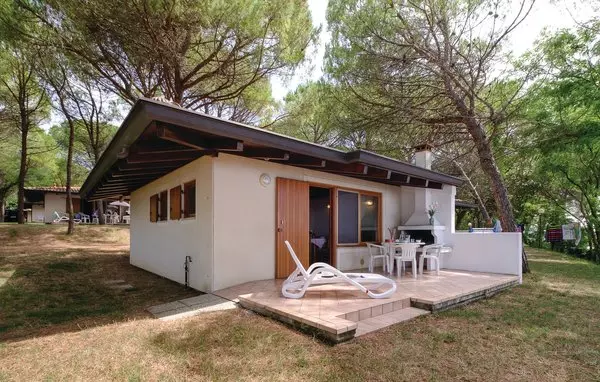
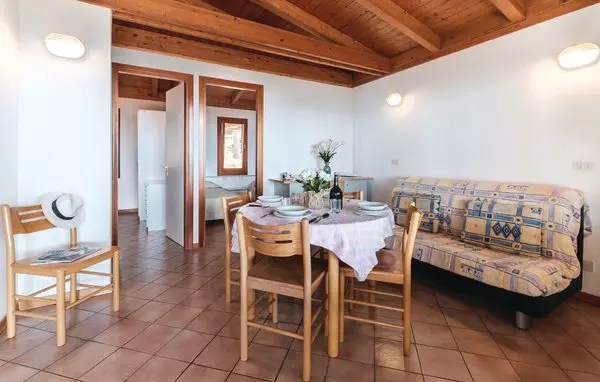
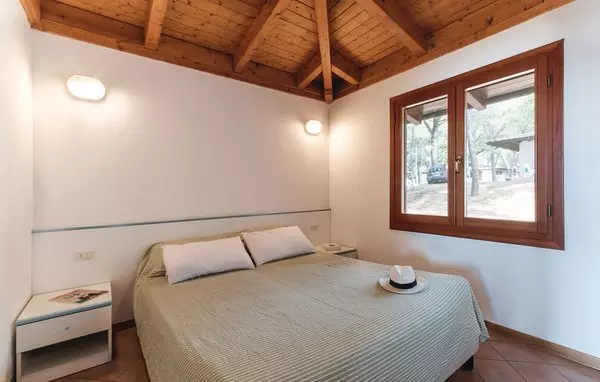
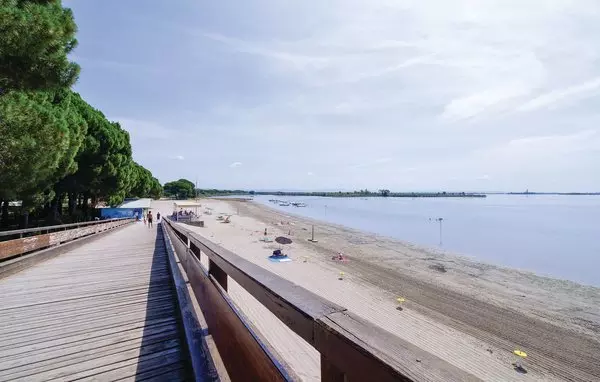
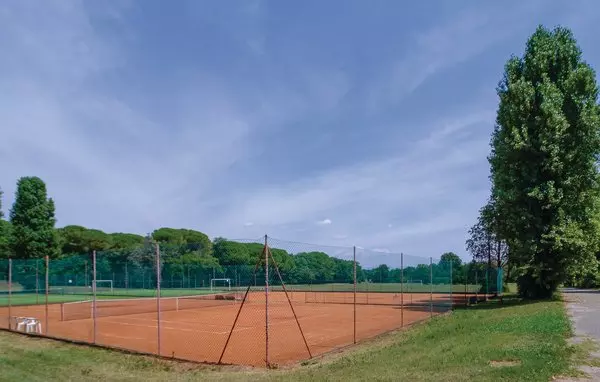
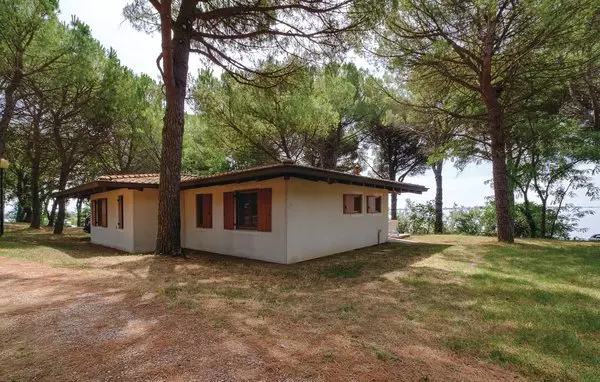
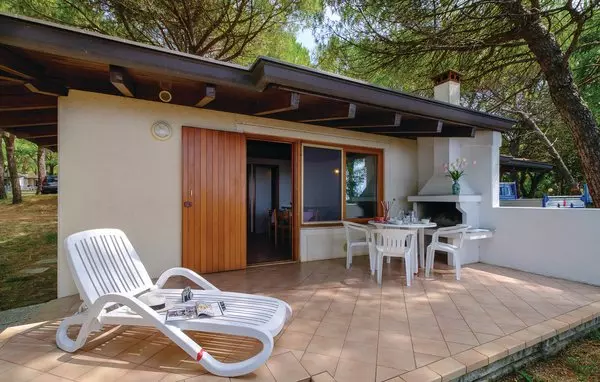
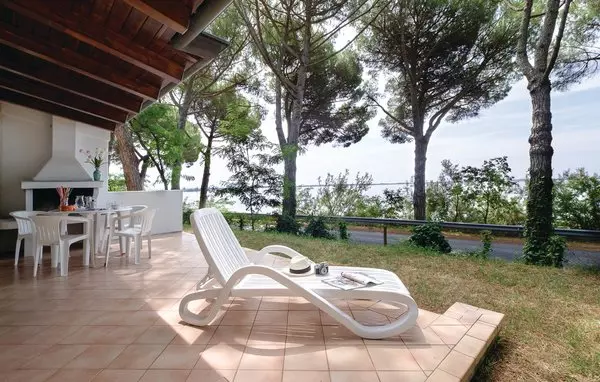
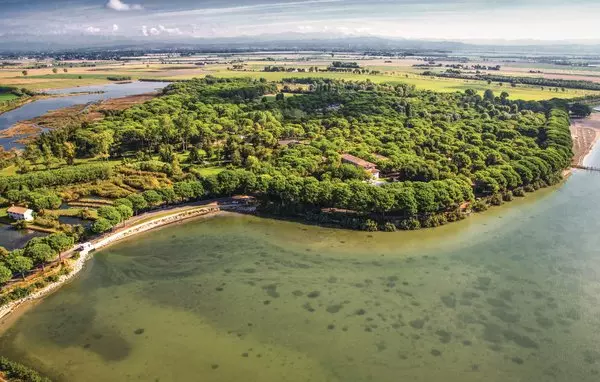
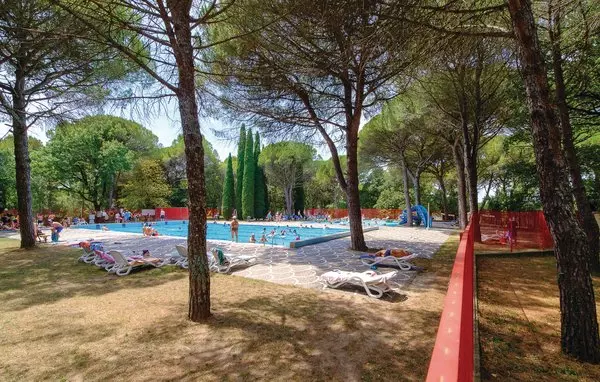
About Grado. Terraced house in a holiday complex just 100 m from the beach, set within a 500,000 m² nature park, about 5 km from Grado's historic centre and near Aquileia's archaeological site (5 km). Outdoor area with garden furniture and barbecue. Ideal for families with children, the complex offers two playgrounds, a sandy lagoon beach, entertainment in July and August, two swimming pools (25x25 m and 12.5x25 m), volleyball, tennis, mini football, mini golf, table tennis, bowling and jogging tracks. On-site facilities include a restaurant-pizzeria, snack bar, supermarket, laundry, car wash and boat dock. Dogs are welcome, with a 5,000 m² dog park and nearby dog beach. Relax on the beach, hire canoes or pedal boats, or cycle in the surrounding area. Venice is 130 km away, whilst Trieste (65 km) is known as "the little Vienna by the sea". Nearby UNESCO sites include Aquileia (5 km) with Roman ruins and mosaics, Palmanova (25 km) with its star-shaped fortress, and Cividale del Friuli (50 km) with Longobard architecture. San Daniele del Friuli (67 km) offers a cathedral, the historic Guarneriana Library, and famous IGP ham tastings. Crib and high chair available on request for a fee. Interior photos are examples only. Other properties in the same complex: IFK199-IFK205. Towels not provided.
Nearby attractions. Thermal bath: 9000 m
Airport (TRS): 21000 m
Nearest habitation: 15 m
Shopping: 50 m
Other swimming (river): 1000 m
Nearest restaurant: 300 m
Nearest city (Grado): 5000 m
Beach (sandy): 100 m
About Friuli
The journey from Trieste Airport had already set the tone. We collected our hire car, a Fiat so compact that I had to fold myself like a camping chair to get in, and promptly got lost in a roundabout system that I am convinced was designed by someone with a grudge against tourists. My partner was navigating using a phone app that kept insisting we were in Slovenia. "Are you sure about this left turn?" I asked, just as the satnav calmly announced, "In two hundred metres, swim across the lagoon." We were not, it turned out, meant to enter the water. The mishap cost us forty minutes and what remained of my dignity, particularly when we had to reverse past a group of elderly cyclists who watched us with the silent judgement only Italian pensioners can muster. By the time we found the property, somewhere between the third and fourth wrong turning, I was ready to eat my own shoe. The flat itself was simple and clean, with a kitchen that looked optimistically equipped for someone who actually knew what they were doing. I opened the fridge, found it empty, and felt a surge of purpose. We would go to the market. We would buy fresh produce. I would cook like a person who had their life together. The morning market in Grado's old town is the sort of place that makes you feel inadequate as a human being. Stall after stall of vegetables arranged with military precision, fish so fresh they practically introduce themselves, and cheese. Oh, the cheese. Montasio in various stages of ageing, soft ricotta that quivered when you looked at it, and something called formadi frant that looked like rubble and tasted like heaven. I bought far too much of everything, carried it back in a paper bag that disintegrated precisely three metres from the flat, and spent ten minutes chasing a runaway artichoke down the street while a small dog watched with apparent concern. My first attempt at cooking was meant to be simple. Pasta with clams, a classic. I had watched a YouTube video in the airport. How difficult could it be? The answer, I discovered, is very difficult indeed if you have never actually cleaned sand from clams before and proceed to cook them with what felt like half the beach still inside. We ate it anyway, crunching through our disappointment with the stoicism of people who had paid for these ingredients and were morally opposed to waste. "It's textured," my partner said, which is the sort of lie you tell someone you love. The following morning I admitted defeat and took us to a local trattoria for breakfast, though Italians would call it a late morning snack. We sat outside with coffees and slices of frico, that miraculous combination of potatoes and cheese fried until crispy at the edges and molten in the middle. I watched a man at the next table eat his with the focused attention of someone defusing a bomb. This was clearly how food was meant to be consumed, not wrestled into submission in a holiday kitchen by an amateur with a blunt knife and unrealistic ambitions. I did better at lunch, assembling rather than cooking. Fresh bread from a bakery near the cathedral, prosciutto San Daniele sliced so thin you could read through it, ripe tomatoes that actually tasted of something, and mozzarella that wept milk when cut. We ate this on our small balcony with a bottle of Friulano wine that cost less than a London sandwich and tasted of apricots and sunshine. No cooking required, no sand encountered, no dignity lost. This, I realised, was my level. This was where I belonged. The flat had a small barbecue on the terrace, and on our third evening I attempted grilled sardines after receiving detailed instructions from the fishmonger in a mixture of Italian and enthusiastic hand gestures. I understood approximately forty percent of what he told me, which was sufficient to avoid poisoning us but insufficient to prevent the fish from sticking to the grill with the determination of barnacles. We ate them with the charred skin left behind, like edible fossils, and agreed that the flesh itself was rather good if you ignored the evidence of my failure clinging to the metal bars. By the end of the week I had developed a routine. Mornings at the market, where the cheese man greeted me with increasing familiarity and the vegetable lady stopped wincing when I selected her tomatoes. Afternoons assembling elaborate snacks that required no heat. Evenings alternating between modest cooking attempts and strategic restaurant visits, the ratio shifting steadily in favour of establishments where professionals handled the fire. On our final day I made one last effort, a risotto with the remaining Montasio and some local asparagus. It took forty minutes of stirring, during which I questioned every life choice that had led me to this moment, but it emerged creamy and properly cooked, the rice retaining just enough bite, the cheese sharp and savoury. I photographed it from three angles, sent the picture to my mother, and ate it with the satisfaction of someone who had finally, briefly, approximated competence. We left Grado with a suitcase full of cheese, as planned, and a new understanding of my limitations, which was not. I had not become the confident Italian cook I had imagined, but I had learned to assemble a respectable plate, to choose wine without panic, and to appreciate the difference between a market tomato and its supermarket cousin. The flat's kitchen had witnessed my failures and my single modest triumph, and had remained reassuringly non-judgemental throughout. Some holidays change you profoundly. This one merely adjusted my expectations, downwards and towards the cheese counter, which is perhaps change enough for anyone. |
| Home - Articles - About - Contact |
| Our Destinations: Austria - Belgium - Croatia - Cyprus - Denmark - France - Germany - Greece - Italy - Montenegro - Netherlands - Norway - Poland - Portugal - Slovenia - Spain - Sweden |
| © 2026 UK Cottages is part of Exclusive Travel Group Ltd™. Reg Nu 16861677 |


 2.
2.  1.
1.