
Go Back

Go Back |
|
Italy Self Catering holiday properties in and around Campania |
Torchiara. Campania. Italy From £loading... for 7 nights |
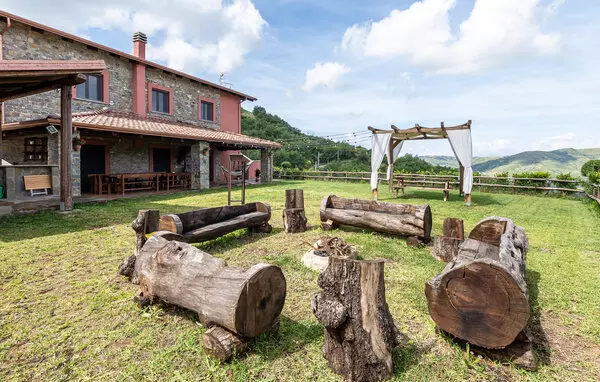
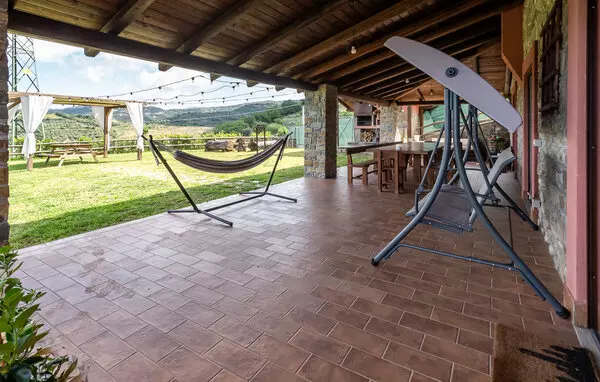
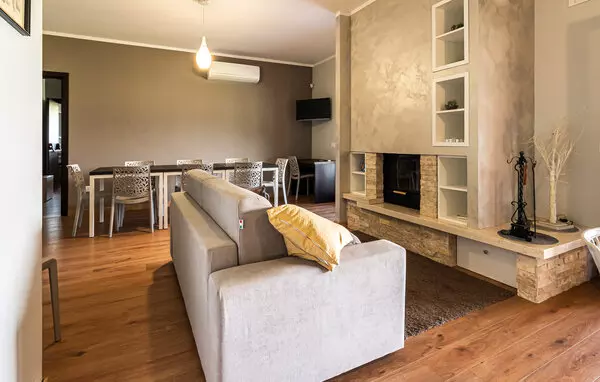
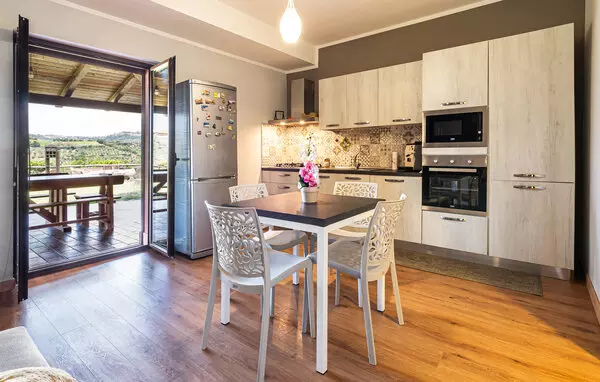
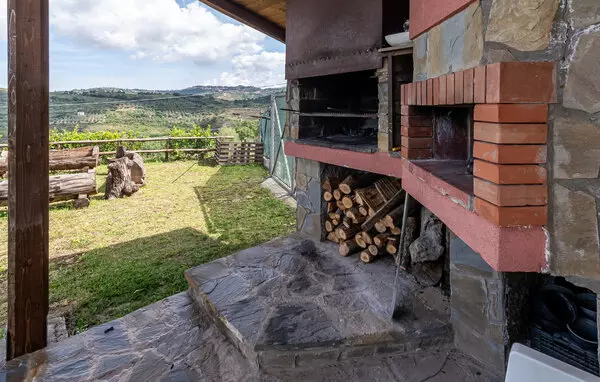
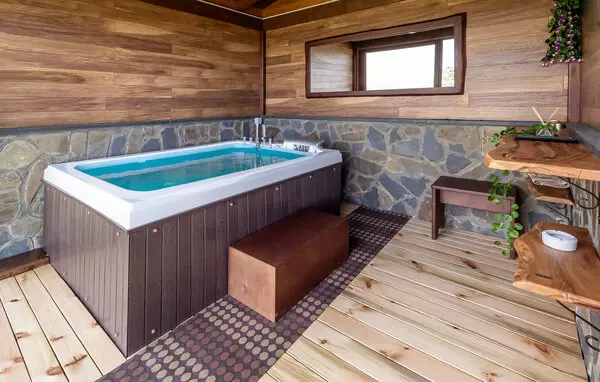
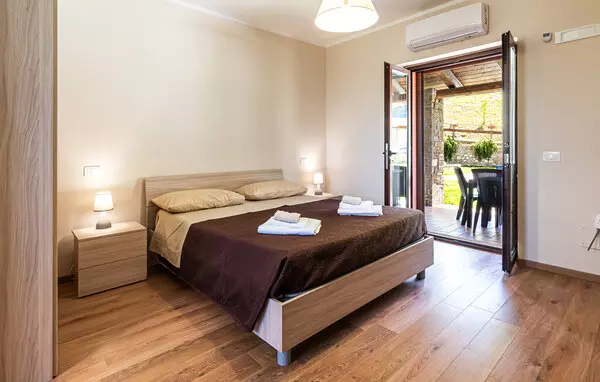
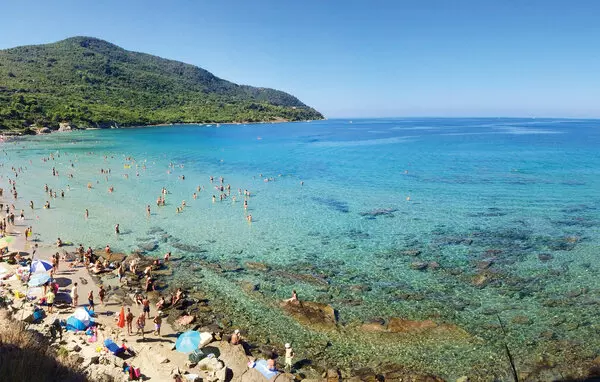
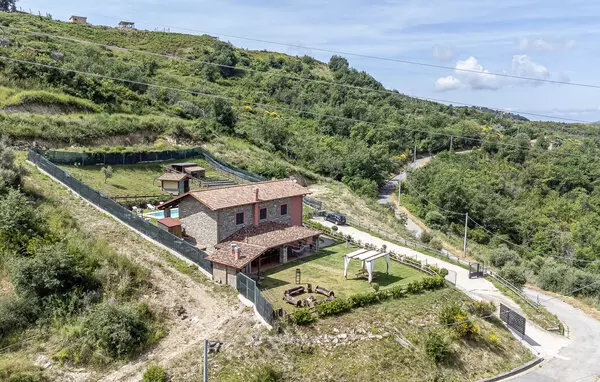
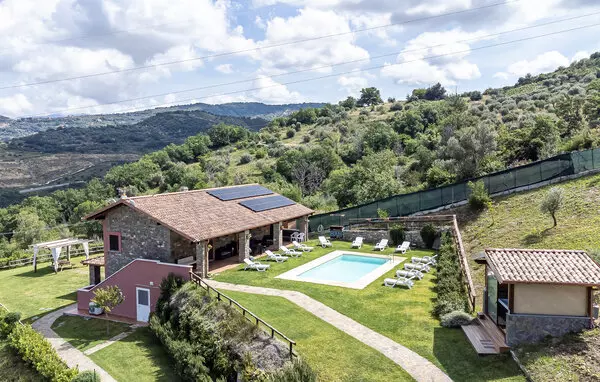
About Torchiara. Set in the municipality of Torchiara, this spacious holiday home with a private outdoor pool sits amid lovely natural surroundings. The well-equipped property suits nature lovers seeking peace and quiet, with natural and cultural attractions within easy reach. Relax with family by the fireplace, enjoy good food and games, or spend time by the pool and in the garden with its pleasant views. Bring bikes for active days out. The house makes an excellent base for visiting Cilento National Park, Vallo di Diano and Alburni, with charming towns, lush vegetation, rocky stretches and sandy beaches nearby. Paestum Archaeological Park is unmissable. Agropoli offers Byzantine history and sights including Borgo Medievale, Angioino Aragonese Castle, medieval ruins of San Francesco Monastery, and churches of St Mary of Constantinople, San Marco and San Francesco.
Nearby attractions. Marked hiking trails: 3000 m
Boat rental: 9000 m
Bicycles for rent: 6000 m
Horse hire: 6000 m
Distance airport NAP: 120 km
Nearest habitation: 20 m
Distance shopping: 1000 m
Other swimming: 8000 m (Beach with entry fee)
Nearest restaurant: 1000 m
Nearest city: 6000 m (Agropoli)
Distance water: 8000 m (Sea/sandy beach)
About Campania
The mishap that truly defined my arrival, however, came when I finally found the correct turning and discovered that the property sat at the top of a steep, gravelly track. I had rented a car the size of a small boat, convinced that Italian roads required something substantial. They do not. They require something that turns in less space than a cross-Channel ferry. I attempted a three-point turn that became a seven-point turn, then a twelve-point turn, each manoeuvre accompanied by the crunch of gravel and my own increasingly theatrical sighs. At one point I found myself wedged between an olive tree and a low stone wall, contemplating whether I might simply live in the car now. A neighbour appeared, said something in dialect I did not catch, and guided me backwards with the resigned patience of a man who had clearly done this before. I thanked him in my phrasebook Italian, which he received with a nod that suggested I had possibly just complimented his chickens. By the time I reached the Torchiara proper, I was forty minutes late, slightly sweaty, and in no state to appreciate anything. This was a shame, because the first thing that struck me was the silence. Not the awkward silence of a room after a bad joke, but the deep, settled quiet of a place that has nothing to prove. The property sat among terraced gardens, the kind that tumble down hillsides in a way that looks effortless but surely requires more gardening knowledge than I will ever possess. Cypresses stood about like thin, disapproving relatives. Somewhere below, I could hear a dog that was not the same dog from the lemon grove, though they shared a similar tone of long-suffering patience. The Torchiara itself was built from local stone, that warm, honeyed colour that seems to hold sunlight even when the sun has moved on. My first impression was of thickness: thick walls, thick wooden shutters, a sense that the building had settled in for the long haul and would still be there when whatever I was driving had long since rusted away. The interior continued this theme. Ceilings soared above me, beams dark with age, floors of terracotta that had worn to a soft polish in the places where generations of feet had passed. I stood in the doorway with my ridiculous wheeled suitcase, suddenly aware that I had packed for a version of Italy that existed mainly in airport adverts: linen trousers I would never iron, a hat I would never wear. I had intended to unpack immediately, to establish order after the chaos of my journey. Instead I found myself on the terrace with a glass of something local and white, watching the light change over the hills. The neighbour's dog had stopped barking. A gecko appeared on the wall, assessed me with one eye, and decided I was not worth the effort of moving. I understood the feeling. There is a particular humiliation in arriving somewhere beautiful in a state of complete disarray, in realising that your small dramas of wrong turns and bad driving mean nothing to a landscape that has witnessed actual history. The olive trees did not care about my sat nav. The stone walls had survived earthquakes, invasions, centuries of human incompetence far exceeding my own. I sat there until the light went golden and the gecko finally left for better prospects. My suitcase remained unpacked in the hallway, a small monument to my conviction that I could control a journey, control an arrival, control anything at all. The Torchiara, I was beginning to understand, was not a place that rewarded control. It was a place that asked you to stop trying so hard, to accept that you would arrive however you arrived, and that the hills would still be there regardless. I went inside eventually, found the kitchen, managed to make coffee without further incident. The morning would bring its own small discoveries: the way the light fell through the bedroom shutters, the particular smell of rosemary and dry earth that drifted up from the garden, the realisation that I had no idea what day it was and did not particularly need to know. But that first evening was simply about stillness, about letting the journey settle inside me like sediment in a glass of wine. I never did learn that neighbour's name, though I saw him several times during my stay, always with the same expression of kindly endurance. The dog in the lemon grove, I later discovered, belonged to no one in particular, which explained a great deal about its philosophical demeanour. My car remained absurdly large for the entire week, though I grew fond of its inability to navigate narrow lanes, which forced me to stop frequently and notice things I would otherwise have driven past. The Torchiara taught me nothing I could put on a postcard, nothing about hidden gems or must-see attractions within a five-mile radius that would be of use to anyone else. It simply gave me the space to be slightly useless for a while, to arrive badly and recover slowly, to understand that first impressions are not fixed things but starting points from which you wander off in unexpected directions. I left with the terracotta still warm beneath my feet, the gecko's indifference still fresh in my memory, and a genuine affection for a place that had witnessed my incompetence and made no comment at all. |
| Home - Articles - About - Contact |
| Our Destinations: Austria - Belgium - Croatia - Cyprus - Denmark - France - Germany - Greece - Italy - Montenegro - Netherlands - Norway - Poland - Portugal - Slovenia - Spain - Sweden |
| © 2026 UK Cottages is part of Exclusive Travel Group Ltd™. Reg Nu 16861677 |


 4.
4.  2.
2.