
Go Back

Go Back |
|
Italy Self Catering holiday properties in and around Campania |
Laureana Cilento. Campania. Italy From £loading... for 7 nights |
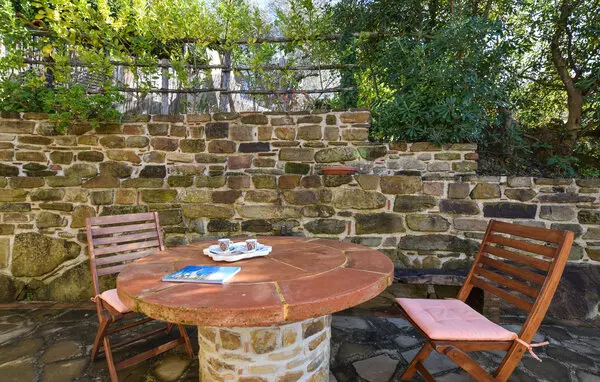
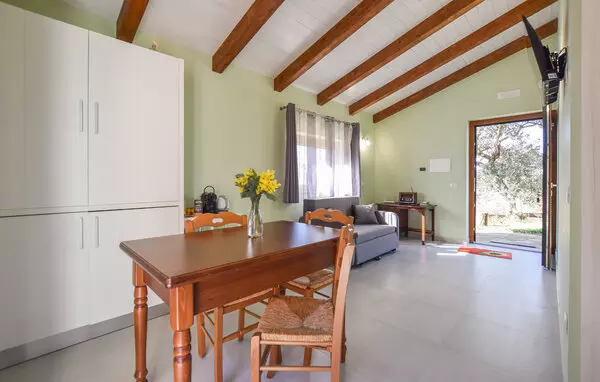
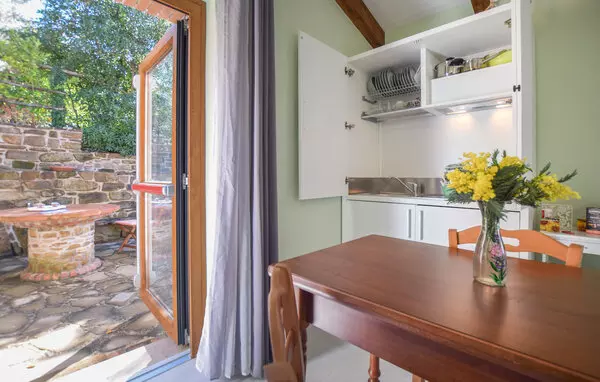
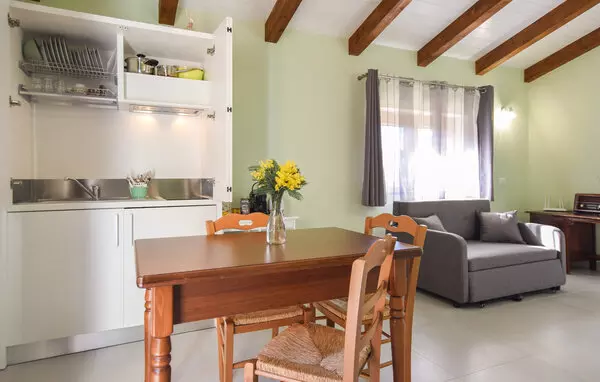
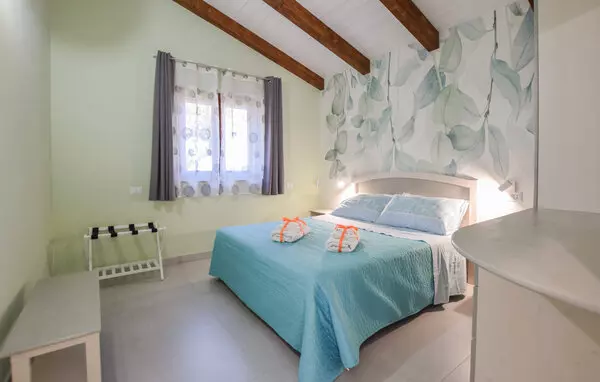
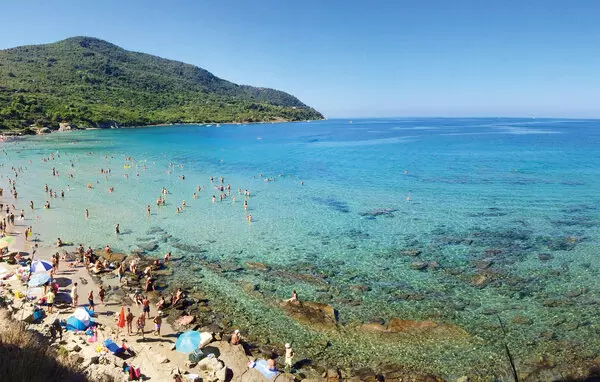
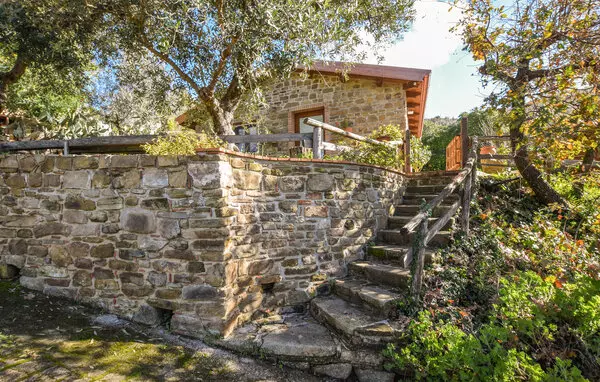
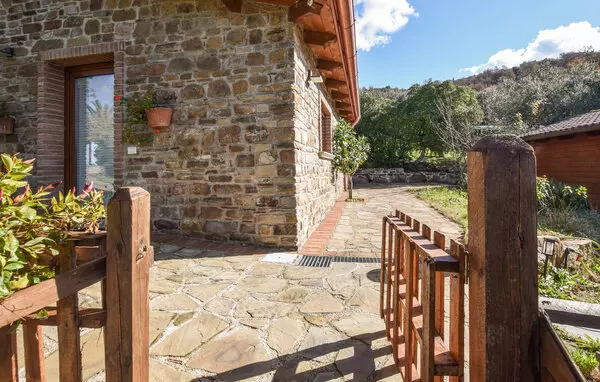
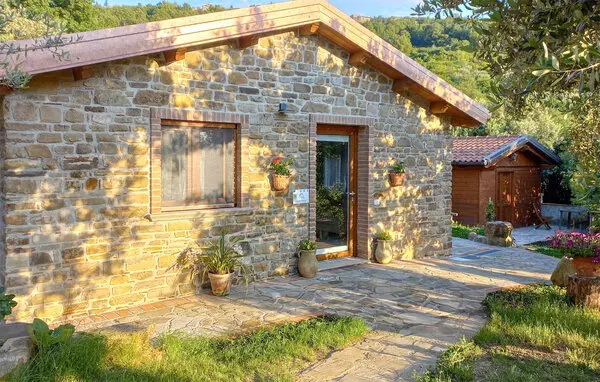
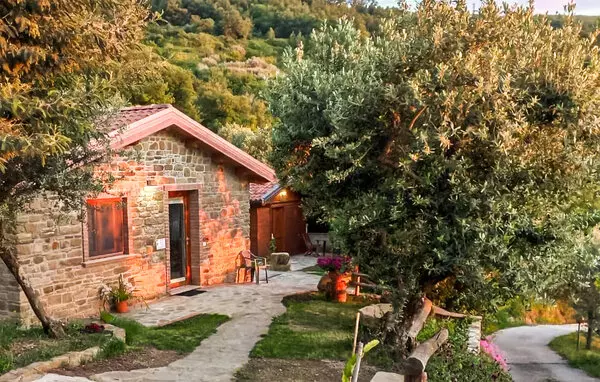
About Laureana Cilento. This lovingly furnished holiday home sits in a quiet spot, ideal for couples or small families exploring Laureana Cilento. Cook pasta in the kitchen, plan days over relaxed meals, then unwind on the sofa with a film. Breakfast on the terrace starts the day, with countryside views stretching beyond. Evenings call for holiday reading and a glass beneath open skies. Nearby, wander medieval Castellabate, climb Agropoli's castle, taste fresh seafood at the harbour, hike Cilento National Park's forests and limestone terrain, explore Paestum's ruins, or swim at Santa Maria di Castellabate and Acciaroli.
Nearby attractions. Boat rental: 10 km
Bicycle hire: 8 km
Airport (NAP): 120 km
Nearest property: 10 m
Shops: 5 km
Swimming (sea/rocky coast): 10 km
Nearest restaurant: 3 km
Nearest town: 8 km (Agropoli)
Beach (sea/sand): 8 km
About Campania
Three hours out of Naples, our hire car wheezing up yet another switchback, I was absolutely convinced we had driven clean off the map. The sat nav had given up twenty minutes prior, surrendering with a polite but firm "recalculating" before going ominously silent. My partner was navigating using a screenshot of directions, which is never a strong start to any relationship milestone. Then, rounding a bend tighter than a corkscrew, we nearly collected a small herd of goats being shepherded by a man in a flat cap who looked like he had been standing there since 1957. He waved us down with the confidence of someone who stops traffic daily. "Laureana?" he asked, before I could even wind down the window properly, which I then did with a tragic grinding noise that made one goat judge me openly. I nodded hopefully. He pointed up a track that looked less like a road and more like a suggestion, then said something rapid in dialect that my rusty Italian could not possibly decode. But his gestures were magnificent, full of sweeping arm movements that suggested both "go that way" and "what fools these mortals be." We crept upward, and there it was, clinging to the hillside like it had grown there organically: a stone farmhouse with terracotta pots blazing with geraniums and a view that genuinely made me say "blimey" out loud, which I have never done before and hope never to do again. The door opened before we could knock. Elena emerged, wiping her hands on an apron and wearing the expression of someone who had been expecting us exactly now, not a minute sooner or later. She was perhaps sixty, with the bearing of a woman who had been managing this hillside since birth and would continue managing it long after we were all gone. She inspected our car with visible disapproval, then inspected us with something approaching charitable neutrality. "You took the goat road," she announced, which was not a question. "Everyone takes the goat road. The other road has signs, but nobody uses it. I do not know why." She said this with the air of someone discussing an unsolvable mystery of human nature, like why people wear flip-flops on aeroplanes. She showed us through to a kitchen that smelled of something involving tomatoes and garlic and time. Her husband Marco appeared from somewhere, a man of few words but many significant silences. He offered us coffee with the solemnity of a priest administering communion, and I accepted with matching gravity. It was, predictably, the best coffee I have ever tasted, which I told him. He nodded as if this were merely factual information, not praise. "American?" Elena asked, though we had not spoken. "No? English. You want the sea? Everyone wants the sea." She said "sea" the way one might say "moon," as something that was simply there, taken for granted, occasionally inconvenient. She explained that the beach at San Marco di Castellabate was close, but that we should go early, before "the Neapolitans arrive with their umbrellas and their shouting." She said this without malice, merely as meteorological fact, like tide times. A neighbour wandered in during this briefing, apparently through a door I had not noticed. This was Vincenzo, who was seventy-something and dressed for farming, though he carried no tools. He joined the coffee ritual without invitation, which was clearly standard protocol. He spoke almost entirely about figs, specifically his figs, which were apparently having a difficult year. Elena translated his dialect with the casual expertise of long practice, occasionally correcting his agricultural opinions with visible relish. They bickered about figs for ten minutes while we sat there, tourists in our own holiday, utterly captivated. It struck me then, watching this performance, that we had not arrived at a property so much as wandered into someone's ongoing life. There was no guestbook mystique, no curated experience. Just Elena and Marco and Vincenzo and his figs, and a goat road that everyone takes because apparently we are all of us, universally, creatures of stubborn habit. I thought about mentioning the sat nav, about making a small joke of our incompetence. But something in Elena's expression, that patient tolerance of the temporarily lost, suggested she had heard it all before. We were not special. We were merely the latest in a long line of people who could not follow simple directions, arriving breathless and grateful, needing coffee and gentle redirection. The sun was dropping behind the hills as Vincenzo departed, still unpersuaded about his figs. Elena pressed some of last year's dried ones on us anyway, wrapped in paper that smelled of aniseed. Marco had vanished as silently as he appeared. We stood on the terrace with our illicit figs and watched the light change over Cilento, and I felt something shift in my chest, some small realignment of what I thought a holiday should be. We had come for the view, the escape, the Instagram opportunity. We had found instead a kitchen full of opinions, a neighbour with agricultural grievances, and a woman who accepted our chaotic arrival with the unflappable calm of someone who had seen worse. Much worse, probably. The goat road, after all, was apparently famous for a reason. I ate one of Vincenzo's figs. It was extraordinary. I made a mental note to tell him so, if I ever learned enough dialect to manage it, and if he ever stopped by again, which he almost certainly would, unannounced, through that same mysterious door. |
| Home - Articles - About - Contact |
| Our Destinations: Austria - Belgium - Croatia - Cyprus - Denmark - France - Germany - Greece - Italy - Montenegro - Netherlands - Norway - Poland - Portugal - Slovenia - Spain - Sweden |
| © 2026 UK Cottages is part of Exclusive Travel Group Ltd™. Reg Nu 16861677 |


 1.
1.  0.
0.