
Go Back

Go Back |
|
Italy Self Catering holiday properties in and around Calabria |
Rossano Calabro. Calabria. Italy From £loading... for 7 nights |
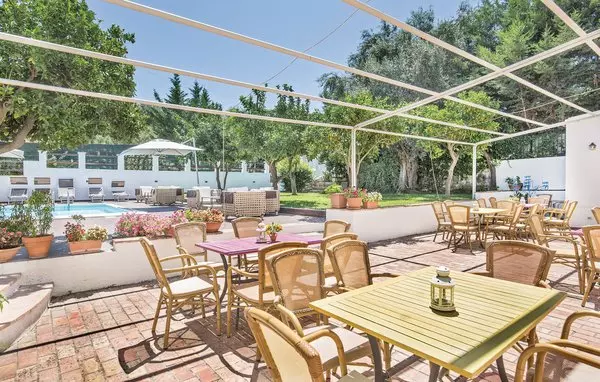
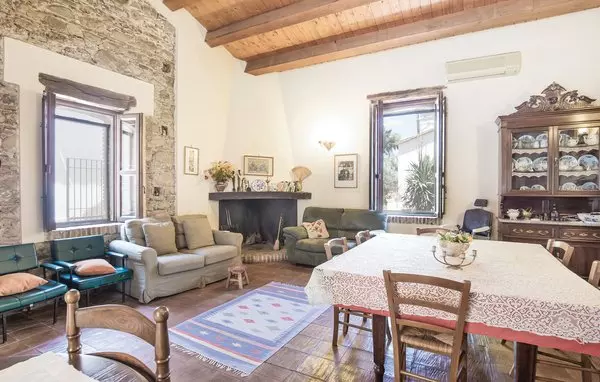
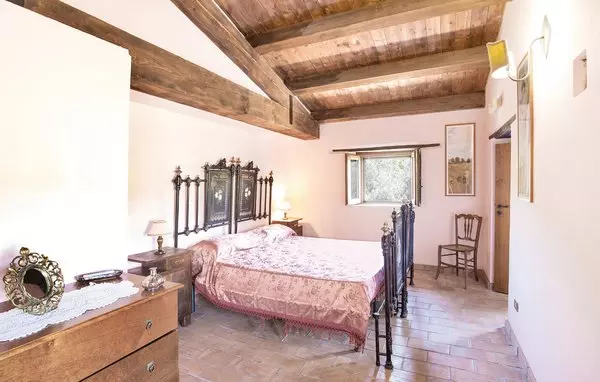
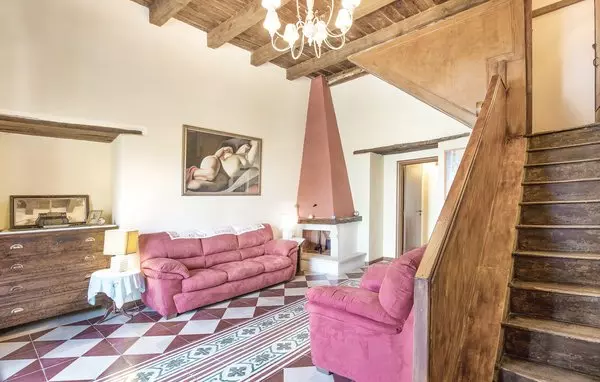
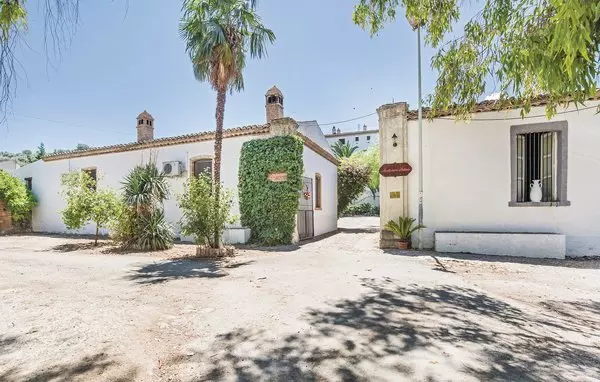
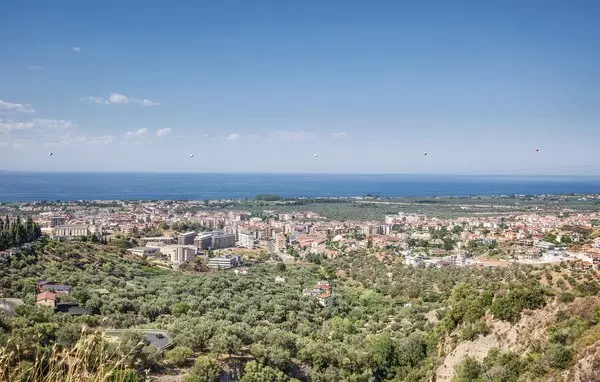
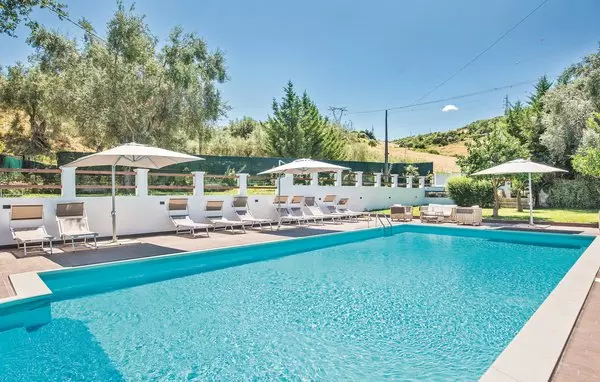
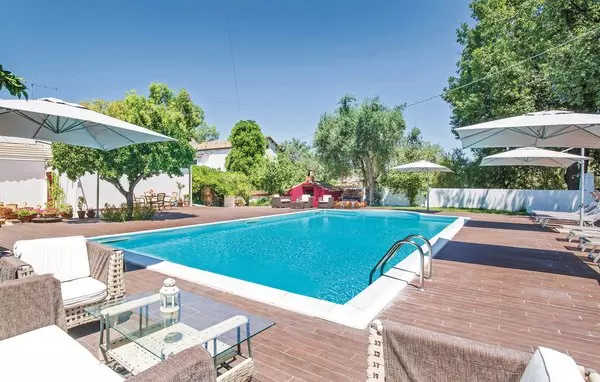
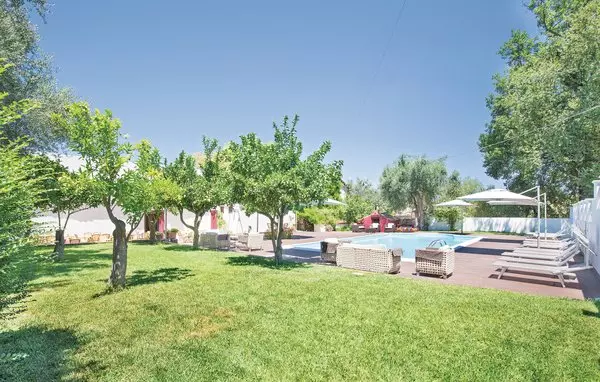
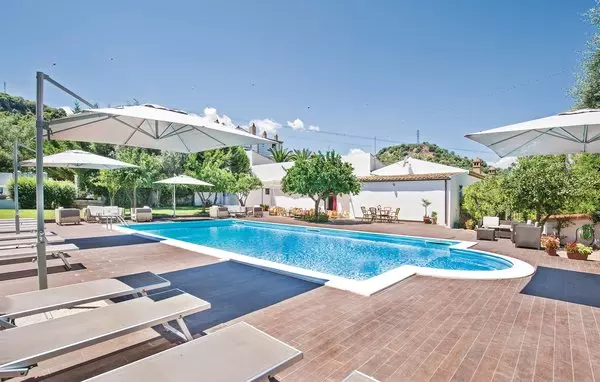
About Rossano Calabro. This family-run farm sits among olive and citrus trees, offering guest rooms and dining spaces as holiday accommodation. Guests share a garden with a pool. The owners live on-site, producing olive oil, fruit, vegetables, honey and cured meats available to taste. Cooking and serving service available on request, payable locally. Bedrooms and the living/kitchen area are accessed separately via an external courtyard rather than internally. One first-floor bathroom is wheelchair accessible.
Nearby attractions. Airport (SUF): 82 km
Nearest property: 5 m
Fishing: 7 km
Shops: 6 km
Restaurant: 2 km
Nearest city: 7 km (Rossano Calabro)
Sea/sandy beach: 7 km
About Calabria
The mishap came five minutes later. I had been smug about packing light, one rucksack and a tote bag, until the tote's handle snapped halfway up the steep lane to our holiday home. My carefully folded clothes cascaded down the cobbles like a fabric avalanche, followed by a rogue lemon that had somehow stowed away from the airport cafe. It rolled merrily past a bewildered nonna who crossed herself and hurried inside. I stood there, arms full of pants and dignity in tatters, while a cat watched from a windowsill with the expression of someone who had seen this exact scene a dozen times before. The property itself, when I finally arrived with my belongings stuffed into a carrier bag from a petrol station, was worth every mortifying moment. A traditional stone house with a small terrace overlooking olive groves that stretch towards the sea. The kitchen, I immediately noticed, was the heart of the place. Proper gas hob, decent knives, and a fridge that hummed contentedly like a pensioner after Sunday lunch. I had grand plans for that kitchen. The first morning, I marched to the local market with visions of rustic Calabrian cookery dancing in my head. The market occupies a small square near the old town, stalls piled with produce that looks almost aggressively fresh. I bought 'nduja, that spreadable salami that burns like a friendly warning, some plump cherry tomatoes, and a bulb of garlic the size of my fist. The stallholder, a woman whose forearms suggested decades of kneading dough, asked if I knew how to cook pasta properly. I said yes. She looked at me the way my secondary school maths teacher had when I insisted I understood quadratic equations. That evening's attempt at pasta alla 'nduja taught me several things. One, 'nduja melts with alarming speed and determination. Two, I had underestimated the chilli content by roughly three hundred percent. Three, the terrace has excellent ventilation when you need to waft smoke away from your streaming eyes. I ate it anyway, washed down with a litre of local Ciro wine that cost less than a London pint. It was brutal and beautiful, like being shouted at by someone you love. The local bars became my research stations. There is a small place near the piazza where old men gather from mid-morning onwards, drinking espresso that could strip paint and playing cards with the intensity of international diplomats. I never learned the rules of their game, but I understood the stakes were serious. The barman, Enzo, took pity on my attempts at Italian and started recommending dishes with the patience of a man explaining technology to his parents. His arancini, golden and crackling, contained rice that held together with the solidarity of a trade union. I ate three standing at the counter, which is the proper way, and felt genuinely emotional about the breadcrumb situation. Cooking became my daily adventure and occasional humiliation. I tried to make fileja, that hand-rolled pasta typical of the region, and produced something that resembled worms after a heavy rain. The local butcher, who I visited for salsiccia, watched me describe my attempt with what I can only describe as professional pity. He sold me some proper fileja instead, and I am not too proud to admit it was the correct outcome. The fish market down near the coast, technically outside my five-mile self-imposed radius but close enough to feel connected, supplied anchovies that still smelled of the sea. I prepared them simply, floured and fried, with a squeeze of lemon. The rogue lemon from my luggage incident, as it happened. It had survived the journey with more composure than I had, and it seemed fitting to give it purpose. They were perfect, eaten on the terrace as the light faded and the olive groves turned silver in the evening haze. By the end of the week, my cooking had improved marginally and my waistline had expanded noticeably. I had learned to embrace the local rhythm: market in the morning, long lunch, rest through the heat, aperitivo as the day softened, then dinner that stretched until midnight. The kitchen, that modest space with its slightly wonky chopping board and one saucepan with a handle that stayed loose no matter how I tightened it, had become genuinely familiar. I understood which burner ran hot, where to prop the window for a breeze, how to judge when the oil was ready by the shimmer across its surface. On my final evening, I attempted a proper ragu, simmered for hours with beef from the mountain butchers and tomatoes that actually tasted of something. It was not perfect. It was probably not even good by local standards. But I ate it on that terrace with the last of my Ciro, watching the last light catch the distant sea, and I felt something settle in me that had been restless for a long time. Sometimes you travel to find something specific and discover instead the pleasure of being slightly lost, slightly incompetent, and entirely present. The cat from my first day appeared on the neighbouring wall, regarded my plate with professional interest, and I broke off a corner of bread for it without thinking. Some rituals, I suppose, you earn the right to perform. |
| Home - Articles - About - Contact |
| Our Destinations: Austria - Belgium - Croatia - Cyprus - Denmark - France - Germany - Greece - Italy - Montenegro - Netherlands - Norway - Poland - Portugal - Slovenia - Spain - Sweden |
| © 2026 UK Cottages is part of Exclusive Travel Group Ltd™. Reg Nu 16861677 |


 8.
8.  0.
0.