
Go Back

Go Back |
|
Croatia Luxury holiday properties in and around Dalmatia |
Korcula. Dalmatia. Croatia From £loading... for 7 nights |
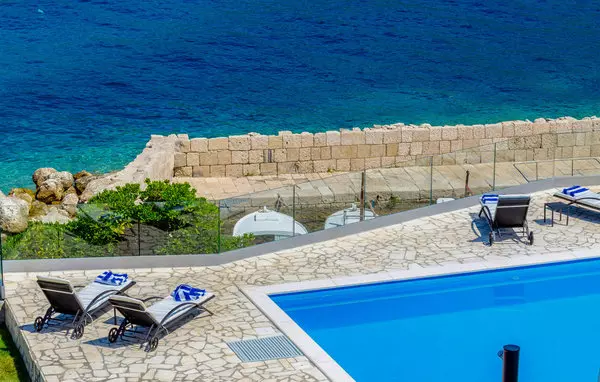
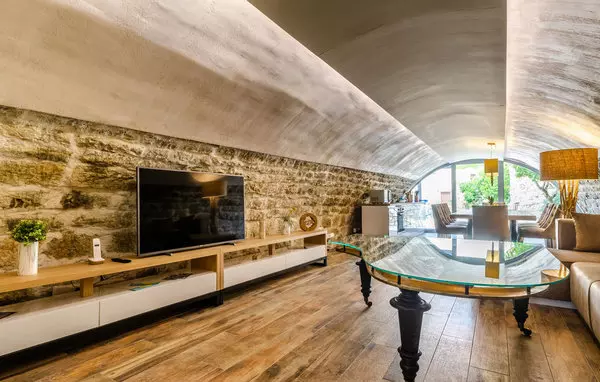
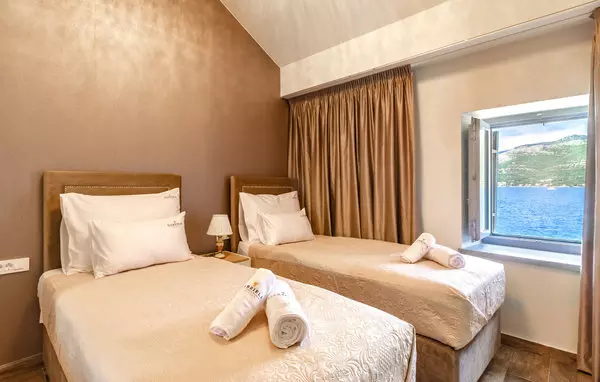


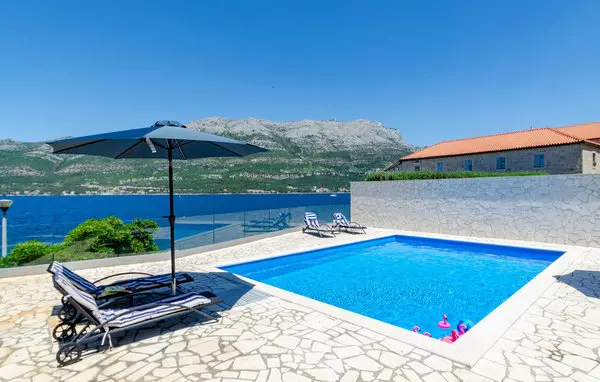


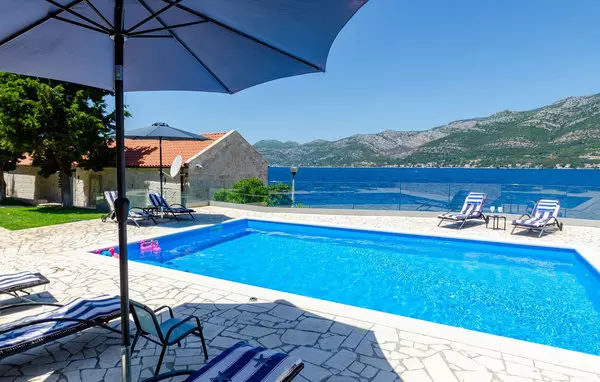
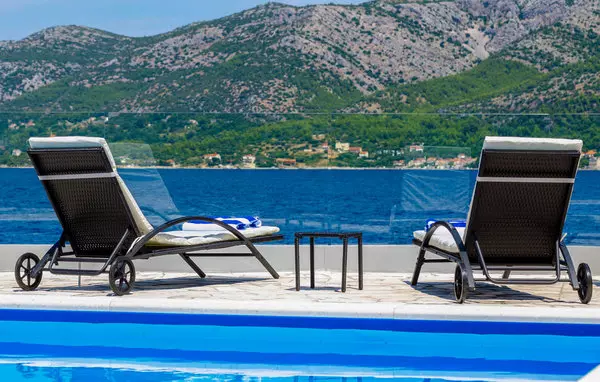
About Korcula. Relax in this luxurious villa with enchanting sea views. Villa Gabriela Korula blends modern comfort with traditional charm. Cook in the modern kitchen, dine in style, play pool, work out in the fitness area, or gather in the cosy vaulted living room. The terrace is perfect for sunbathing to the sound of the sea. Unwind in the heated pool, whirlpool or spacious garden. Enjoy table tennis while children bounce on the trampoline, then barbecue on balmy evenings. Korula's old town, often likened to Dubrovnik, offers historical monuments and Mediterranean flair. Explore remote villages, idyllic beaches and cycle the island. Note: Party groups may face a tenfold deposit increase and regular inspections. Parties, drug use or rude behaviour mean instant eviction without refund. Clarify details before booking.
Nearby attractions. Airport (SPU): 65 km
Shops: 300 m
Restaurant: 150 m
Sea/rocky coast: 1 km
About Dalmatia
We dumped our bags in a cafe and did what any sensible person would do: ordered too much coffee and pretended this was all part of the plan. By the time we boarded the next ferry, the sun was doing that spectacular Dalmatian thing where it turns everything golden and forgiving. The crossing to Korcula Island took about two hours, and I spent most of it on deck, hair doing a reasonable impression of a seabird's nest, watching the coastline unfold like a crumpled map. The property we had booked sat in a quiet spot near the water, not in Korcula Town itself but close enough to feel connected without the bustle. The owner, a woman called Maja with the practical air of someone who has seen every variety of British tourist, handed us keys and pointed vaguely inland. "The old path behind the house," she said. "Everyone misses it. Everyone should use it." This, I would learn, was the beginning of everything. We were too tired that evening to investigate. Instead we sat on the terrace with wine from the supermarket in Vela Luka, watching boats bob in the distance and congratulating ourselves on having arrived at all. The mishap with the ferry already felt like a gift. If we had caught the earlier boat, we would have rushed straight to the property, dumped cases, perhaps wandered into town for a predictable dinner. Instead, the delay had slowed us down, forced a pause, made us receptive. The next morning, still operating on what I call "holiday time" (roughly two hours behind reality), we set off without real purpose. Maja's path began behind a rusted gate that looked like it led nowhere respectable. We pushed through out of politeness more than expectation. Within fifty metres, the modern world simply stopped. The track became a narrow ribbon of compacted earth between dry stone walls, olive trees leaning overhead like gossiping relatives. We passed a small chapel with a blue door, paint peeling in a way that suggested deliberate character rather than neglect. I am not someone who typically enjoys being lost. My partner finds it liberating; I find it vaguely threatening, as if the universe has personally arranged to make me late for something important. But that morning, without a map or signal or any particular destination, something shifted. The path forked without warning, and we took the left branch because a lizard darted that way. This is not sound navigational reasoning, but it served us well. The left branch climbed gently through terraces that must have been cultivated for centuries. We found a stone bench, clearly placed by someone who understood the view, and sat overlooking a cove we could not have found deliberately if we had tried for a week. No beach, exactly, just a shelf of rock where the water turned from turquoise to something deeper and more serious. A single fishing boat was moored there, unattended, as if the owner had simply walked into the hills and forgotten about it. We stayed for an hour, maybe two. Time moved differently there. Eventually we pressed on, now genuinely uncertain where we were, and stumbled into a hamlet that did not appear on any map I later consulted. Three houses, a cat with one ear, and an old man repairing a net who offered us figs from a tree in his garden without asking our names or business. We communicated in the international language of pointing and grateful noises. The figs were warm from the sun, impossibly sweet, the kind of thing that makes you briefly furious at supermarket fruit. Getting back took longer than expected. The path looped in ways that defied logic, and we emerged from the hills in a different place entirely, recognising nothing until we spotted the ferry masts in the distance and reoriented ourselves. That evening, exhausted and slightly sun-drunk, we walked into Korcula Town proper for the first time. It was lovely, of course, the medieval walls and narrow streets exactly as advertised, but I found myself thinking of the nameless cove, the fig tree, the blue door on the chapel. The rest of the week followed this pattern. We would set out with vague intentions and let circumstance redirect us. A wrong turn on the coastal road led to a vineyard where we tasted Grk, a white wine grown almost nowhere else in the world, with a woman whose grandfather had planted the vines. A missed bus connection became an hour in a village konoba, eating octopus salad prepared by someone who clearly considered recipes to be suggestions rather than rules. I kept thinking about control, or rather my illusion of it. The ferry mishap had been the first crack in my careful planning, and each subsequent detachment from the itinerary had revealed something I would have organised myself out of experiencing. There is a particular British tendency to believe that research equals preparation equals satisfaction, and perhaps it does for some things. But Dalmatia, or at least this corner of it, seemed to reward the opposite approach. The island's geography resists straight lines. The coastline fractures into bays and inlets that no reasonable person would attempt to systematise. The interior rises and falls in ways that make direct routes impractical. Getting lost is not an aberration here; it is the fundamental condition. On our final day, we returned to Maja's path deliberately, though we took different forks and found different places. A small beach of rounded stones, completely empty, where we swam in water so clear it felt like floating in air. Another chapel, this one with a bell that still rang, though we never saw who rang it. We never found the first cove again, which seems right somehow. I think now that Maja knew exactly what she was doing with her vague directions. The path was not hidden, exactly, but it required a certain willingness to step past the obvious, to trust that unmarked routes could lead somewhere worth being. I arrived in Korcula believing that good holidays required efficient transport and confirmed reservations. I left understanding that the best moments arrive when your plans have quietly collapsed, and you are left with nothing but curiosity and the good sense to follow a lizard. |
| Home - Articles - About - Contact |
| Our Destinations: Austria - Belgium - Croatia - Cyprus - Denmark - France - Germany - Greece - Italy - Montenegro - Netherlands - Norway - Poland - Portugal - Slovenia - Spain - Sweden |
| © 2026 UK Cottages is part of Exclusive Travel Group Ltd™. Reg Nu 16861677 |


 4.
4.  1.
1.